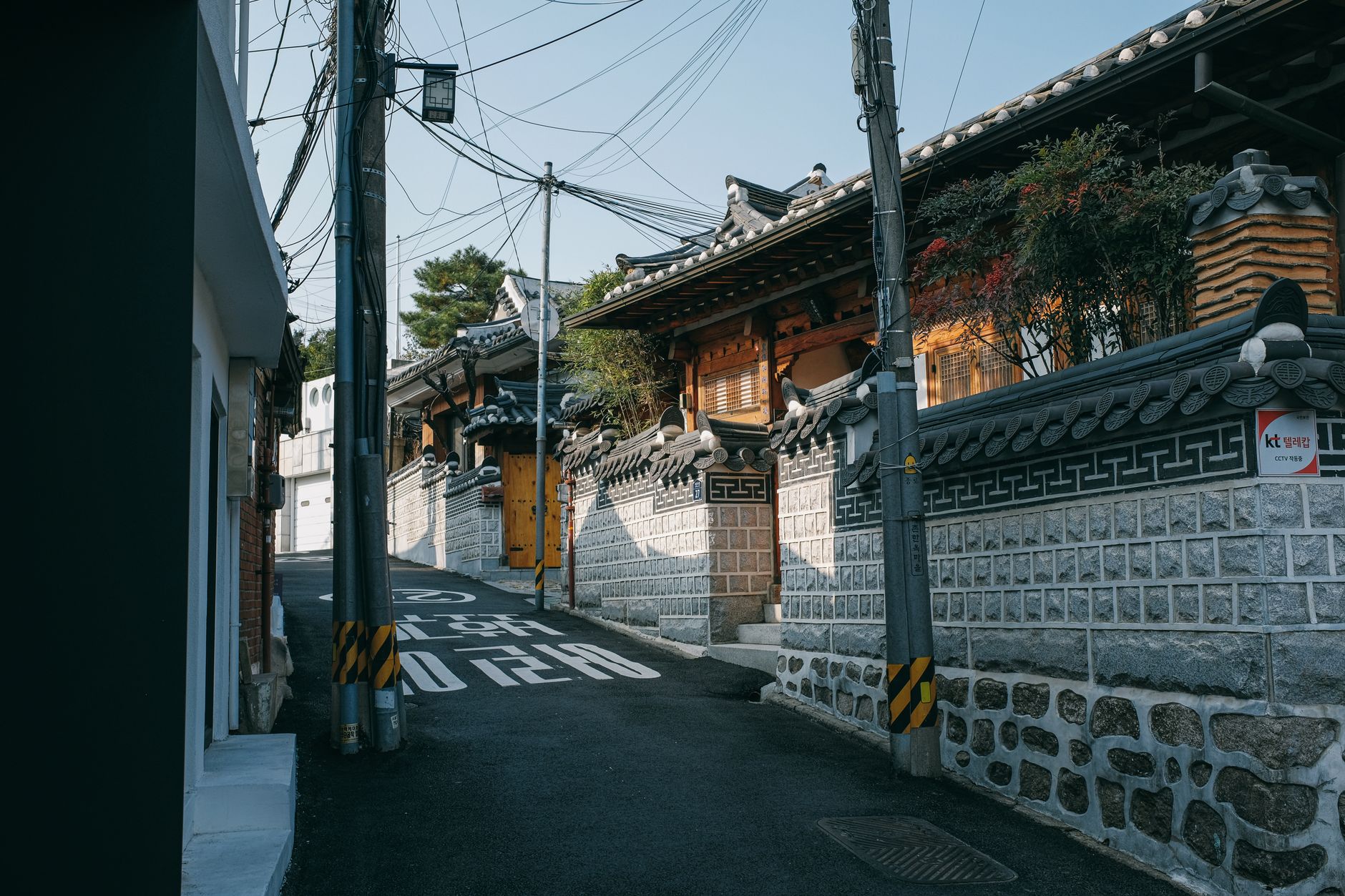
Seoul is a city of contrasts—towering skyscrapers stand beside centuries-old temples, and bustling tourist districts give way to quiet alleyways filled with independent cafes and local charm. While most visitors flock to Gangnam, Myeongdong, and Insadong, the true magic of Seoul lies in its hidden neighborhoods and tucked-away cafes that locals cherish. This comprehensive guide will take you off the beaten path to discover the neighborhoods and coffee culture that define modern Seoul for those who live here. Whether you're a coffee enthusiast, culture seeker, or simply tired of crowded tourist traps, these hidden gems will transform your Seoul experience into something genuinely memorable.
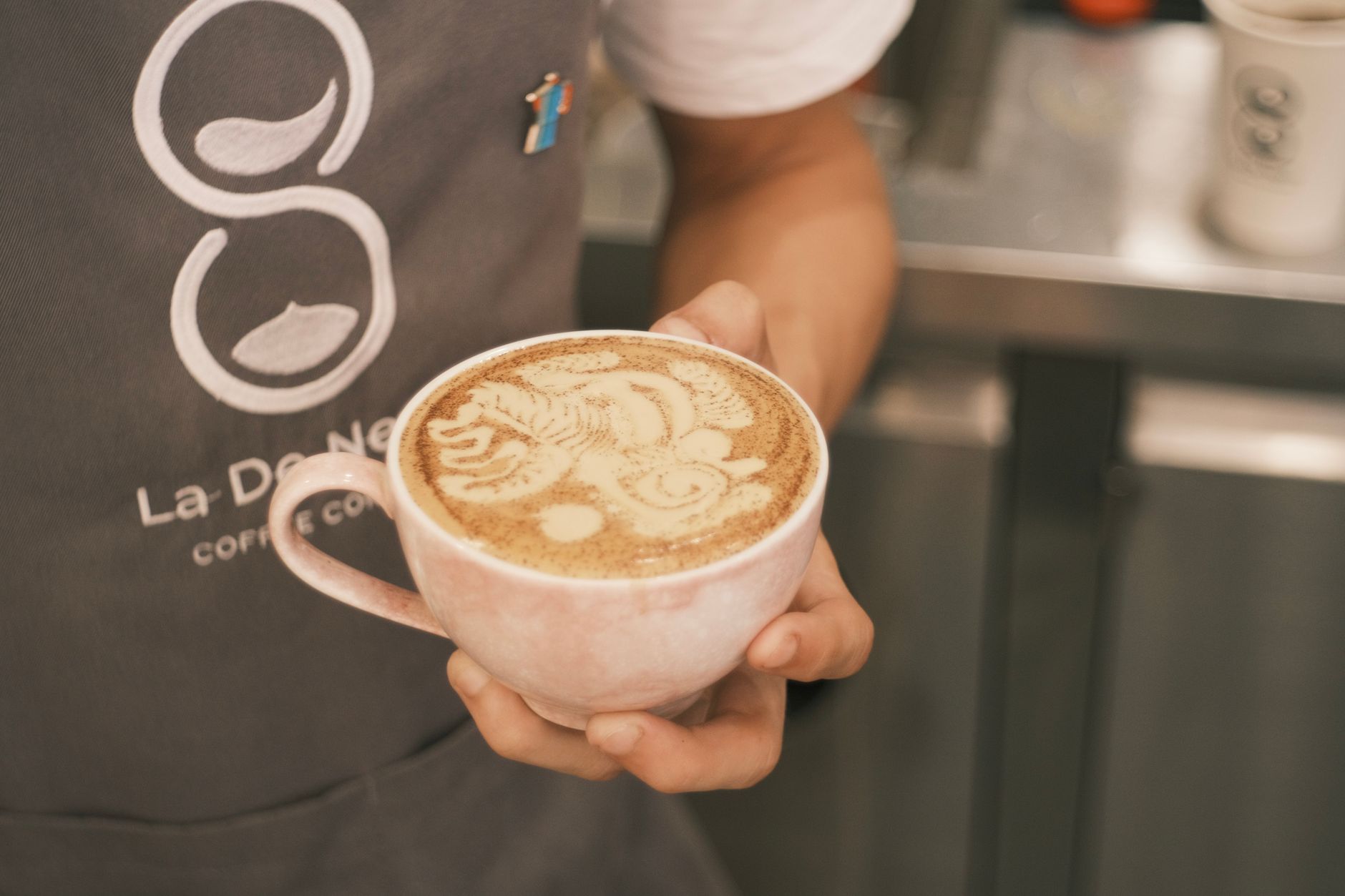
Hongdae: Where Art Meets Independent Cafes
Hongdae has long been Seoul's creative heart, and while it's becoming increasingly popular with international tourists, it remains far less crowded than central districts. Named after Hongik University, this neighborhood pulses with artistic energy, street art, indie music venues, and some of Seoul's most innovative cafes. Walking through Hongdae's winding streets, you'll encounter murals at every corner, vintage boutiques mixed with cutting-edge fashion brands, and cafes that are as much about art and design as they are about coffee.
One of the standout cafes in Hongdae is Anthracite, a minimalist coffee shop that focuses entirely on pour-over coffee and single-origin beans. The owners are deeply passionate about coffee cultivation and roasting, and you can taste this dedication in every cup. Another must-visit is The Falling, a quirky multi-floor cafe that doubles as a bookstore and art gallery. Its eclectic interior, featuring everything from vintage vinyl records to contemporary paintings, creates an atmosphere perfect for spending hours with a latte and a good book.
Beyond cafes, Hongdae's Café Street (Cafe Geori) is lined with cozy independent shops, each offering a unique personality. You'll find themed cafes inspired by vintage cinema, botanical design, and minimalist Scandinavian aesthetics. The neighborhood is best explored on foot—get a Naver Map for navigation—allowing yourself to wander and discover hidden alleyways. Don't miss Café Momos, a tiny corner cafe serving exceptional single-origin espresso and handmade pastries in a space barely larger than a closet, yet beloved by local coffee connoisseurs.
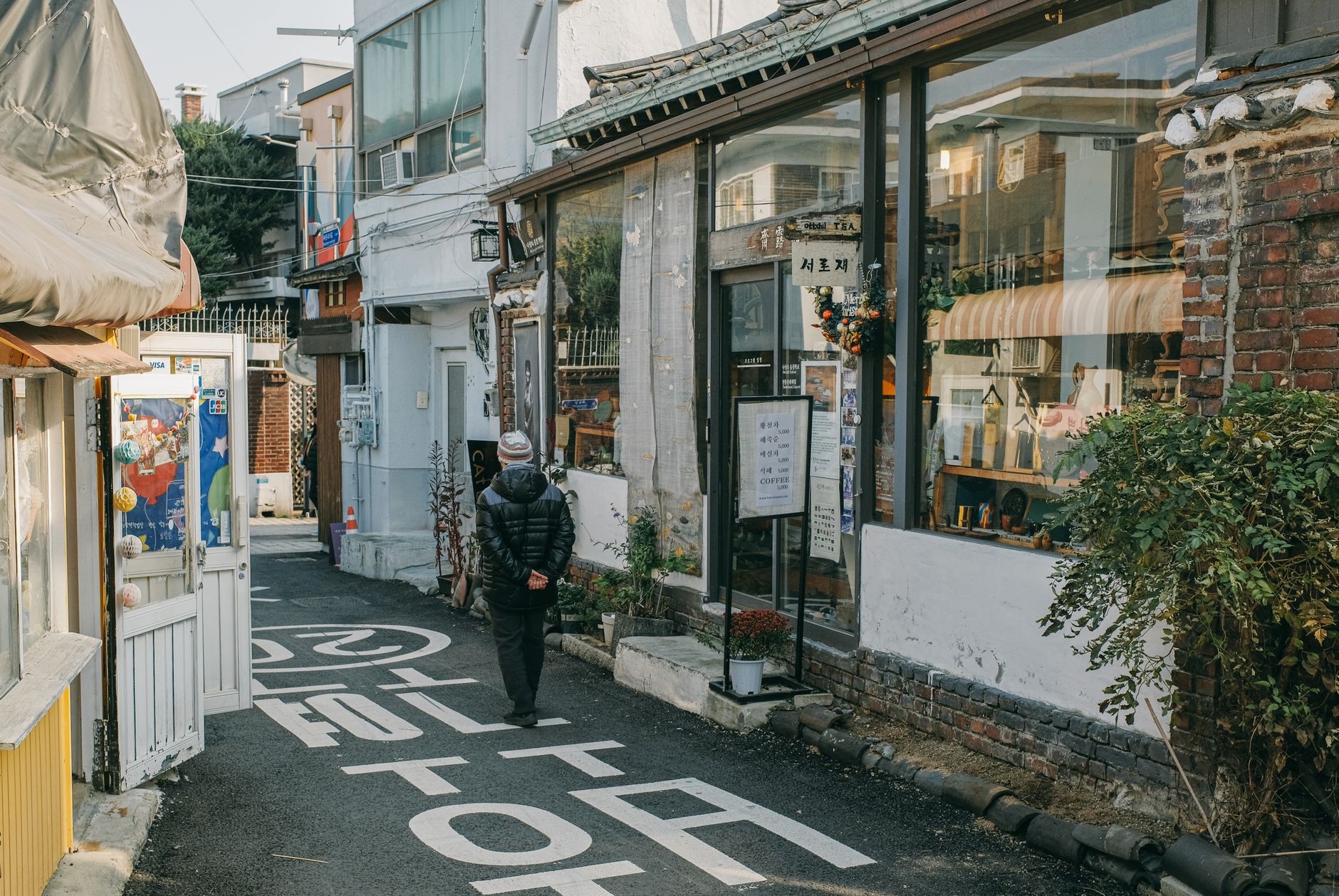
Bukchon Hanok Village: Traditional Charm Meets Modern Cafes
Bukchon Hanok Village is a preserved neighborhood of traditional Korean houses called hanoks, located between two of Seoul's most famous palaces: Gyeongbokgung and Changdeokgung. While it has gained popularity among tourists, many venture only to the main thoroughfares. The true magic lies in the quieter, winding alleyways where traditional wooden houses have been thoughtfully converted into boutique cafes, galleries, and restaurants. This neighborhood perfectly exemplifies how Seoul honors its past while embracing modernity.
The cafes in Bukchon are distinctive for their careful integration into the historical architecture. Many businesses maintain the exterior aesthetic of traditional hanoks while creating comfortable modern interiors. Café Onül-Mane, housed in a restored traditional building, serves coffee and light snacks in a serene courtyard setting surrounded by hanging plants and traditional wooden beams. The ambiance transports you back in time while the quality of coffee keeps you firmly in the present.
For a more immersive experience, visit Samcheong-dong, the creative alley adjoining Bukchon. This area is filled with independent galleries, design studios, and cafes that cater to Seoul's artistic community. Café Bom, a tiny cafe tucked into a corner, serves homemade cakes and excellent coffee to a loyal clientele who've been coming here for years. The neighborhood is perfect for photography enthusiasts—the contrast between traditional architecture and modern cafe culture creates Instagram-worthy moments at nearly every turn. Best visited early morning or late afternoon to avoid peak tour groups.
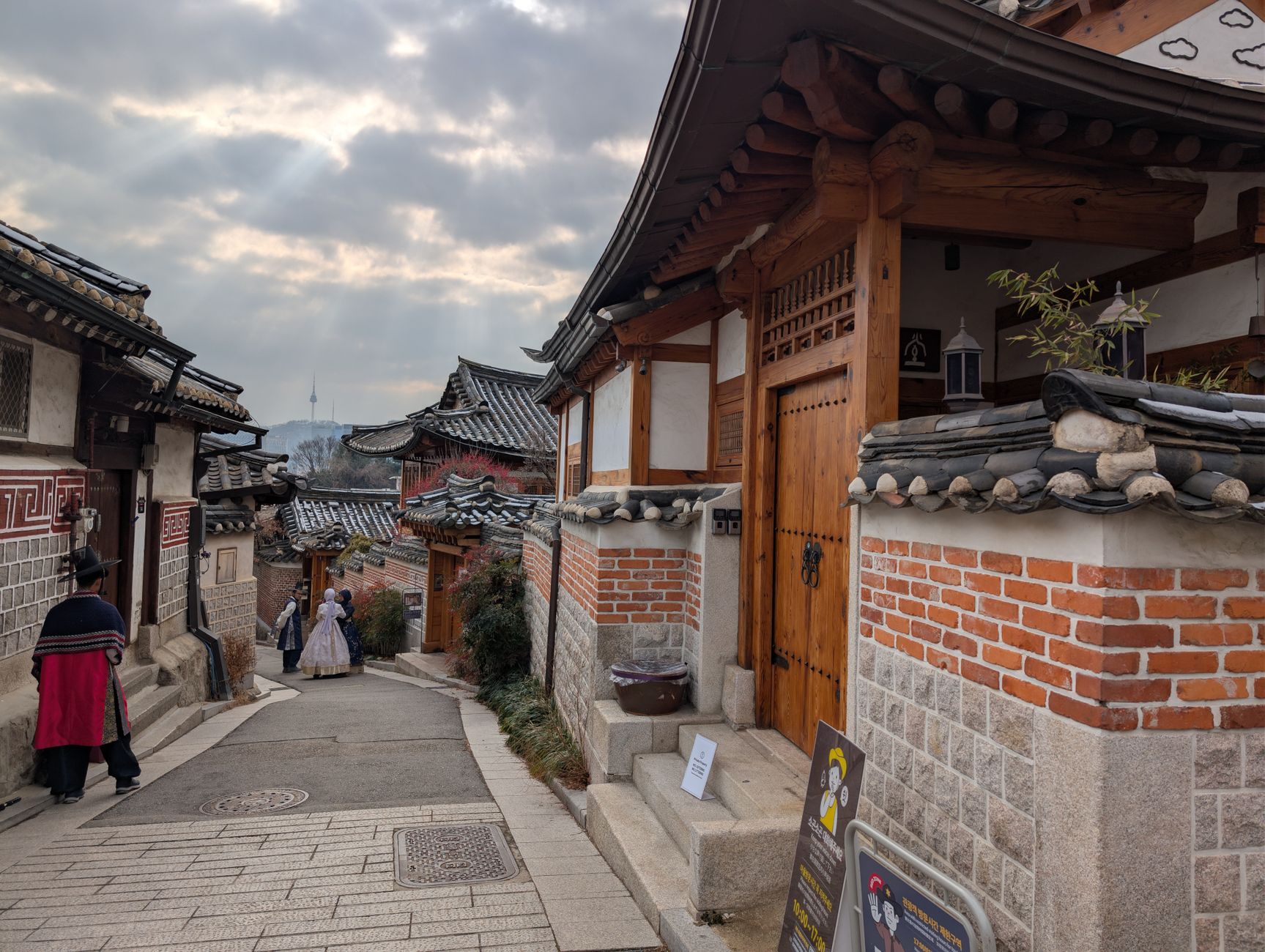
Seongsu-dong: The Trendy Riverside Secret
Once an industrial manufacturing hub, Seongsu-dong has undergone remarkable transformation into one of Seoul's trendiest neighborhoods, yet it remains relatively undiscovered by most international visitors. Located along the Han River (Hangang), this district has become a haven for young entrepreneurs, artists, and designers who've converted old factories and warehouses into galleries, concept stores, craft breweries, and innovative cafes. The neighborhood retains its raw, edgy aesthetic while embracing contemporary cool—a refreshing contrast to Seoul's polished tourist districts.
Seongsu's cafe scene is exceptionally creative, with many establishments pushing boundaries in terms of design and coffee innovation. Cafe Onion, housed in a converted printing factory, features soaring ceilings, industrial design elements, and excellent specialty coffee. The space hosts regular art exhibitions and serves as a gathering place for Seoul's creative community. Another standout is Common Ground, a massive cultural complex featuring multiple independent cafes, boutique shops, and a rooftop garden overlooking the Han River. Each cafe within the space has its own identity—some focus on traditional Korean coffee culture, others on modern latte art and specialty techniques.
For outdoor cafe culture, Seongsu's riverside area offers numerous establishments with terrace seating overlooking the Han River. These spaces fill up particularly during sunset, offering visitors a chance to experience Seoul's natural beauty while enjoying specialty coffee. The neighborhood is best reached via Seoul Metro Line 2 (Seongsu Station), and from there, most attractions are within easy walking distance. The transformation of this industrial area into a cultural destination reflects Seoul's ongoing evolution and makes it essential for travelers seeking authentic contemporary Seoul culture.
Ikseon-dong: The Hidden Artistic Quarter
Ikseon-dong is perhaps Seoul's best-kept secret among hidden neighborhoods. Located in the Jongno-gu district near several major palaces, this quiet residential area was largely unknown to tourists until recently. The neighborhood features narrow alleyways lined with low-rise buildings, many of which house independent cafes, galleries, and small boutiques in structures that retain authentic Seoul charm. Unlike the commercialized Insadong nearby, Ikseon-dong maintains a local, lived-in atmosphere where residents still outnumber visitors.
The cafes in Ikseon-dong are characterized by their intimate scale and owner-operated nature. Many are run by artists, designers, or coffee enthusiasts who've chosen to settle here precisely because of the neighborhood's quiet character. Café Onsongdak, a tiny corner establishment, serves coffee and homemade snacks in a space barely larger than a sitting room, yet the quality and attention to detail rival Seoul's most celebrated coffee shops. The owner, a former graphic designer, has curated every element of the interior—from the vintage furniture to the hand-drawn signage—creating a uniquely personal space.
Walking through Ikseon-dong, you'll notice how the neighborhood resists the commercialization creeping into other trendy areas. Independent galleries showcase local artists' work, small bookstores focus on vintage and rare editions, and cafes prioritize quality and authenticity over Instagram appeal. This is Seoul as locals experience it—unhurried, thoughtfully curated, and genuinely welcoming. For the best experience, visit during weekday afternoons when the neighborhood is quietest. The area is easily accessible via Jongno 3-ga Station, and for more detailed exploration, consult Kakao Map, which provides comprehensive local business information.
Garosu-gil and Gangnam's Alternative Side
While Gangnam is famous for its luxury shopping and K-pop culture, most visitors miss Garosu-gil, an elegant tree-lined street that represents Gangnam's more sophisticated and artistic side. Located in the Sinsa-dong area, Garosu-gil translates to "tree-lined street," and the description is literal—tall ginkgo trees provide shade and beauty throughout the year, creating a distinctly different atmosphere from the commercial intensity of nearby shopping districts. The street is lined with high-end independent boutiques, art galleries, and exceptional cafes that attract Seoul's cultural elite rather than tour groups.
The cafes along Garosu-gil represent Seoul's mature coffee culture. These aren't casual coffee shops but carefully designed spaces operated by passionate professionals. Café by Hedieh, created by a renowned chef, combines exceptional coffee with gourmet pastries and light meals in an minimalist Scandinavian setting. Another excellent option is The Lounge, a sophisticated space that serves not just coffee but curated beverages from around the world, with staff trained to explain the origins and brewing methods of each drink.
Beyond Garosu-gil, the surrounding Sinsa-dong neighborhood offers further discoveries. Backalleys off the main street reveal independent bookstores, vintage shops, and smaller cafes catering to a discerning local clientele. This area represents affluent Seoul culture but without the frenetic energy of downtown districts. The neighborhood is accessible via Gangnam Station and is pleasant for leisurely strolling and exploring. For transportation efficiency and discovering nearby cafes, use Kakao Taxi if you need to move between distant locations within the Gangnam area.
Practical Tips for Exploring Seoul's Hidden Cafes and Neighborhoods
Discovering Seoul's hidden cafes and neighborhoods requires a different approach than typical tourist travel. Rather than following guidebooks and tour groups, successful exploration involves embracing spontaneity, getting a bit lost, and allowing neighborhoods to reveal themselves. Here are essential strategies for making the most of your hidden Seoul experience:
Transportation and Navigation: Seoul's public transportation is excellent and affordable. The subway is the fastest way to reach neighborhoods, but exploring on foot is essential once you arrive. Many hidden cafes are located down small alleyways that GPS sometimes misses. Don't hesitate to ask locals for directions—Seoulites are generally friendly and often enjoy helping visitors discover their favorite neighborhood spots. Consider purchasing a T-money card at any convenience store for seamless subway and bus payment.
Timing Matters: Visit cafes and neighborhoods during off-peak times—weekday mornings and early afternoons are ideal. This allows you to experience spaces as locals do, without the weekend rush and tourist crowds. Many hidden cafes maintain limited hours, often opening only in afternoons or closing by early evening, so check ahead before planning your visit. Early morning walks through neighborhoods before cafes open are also magical, offering authentic glimpses of Seoul's residential character.
Language Preparation: While younger Seoulites and cafe owners often speak English, many hidden gem establishments have limited English-speaking staff. Download a translation app and learn basic Korean phrases. Simple words like "coffee" (keopi), "thank you" (kamsahamnida), and "delicious" (mashisseoyo) go far in building connections with local business owners.
Budget Considerations: Hidden cafes vary widely in price. Some minimal-seating espresso bars charge 3,000-4,000 KRW (approximately $2.50-3.50 USD) for excellent coffee, while designer cafes in upscale neighborhoods charge 6,000-8,000 KRW for specialty drinks. Most neighborhoods have convenience stores (GS25, CU, Emart24) offering affordable coffee and snacks if you need budget options. For comprehensive information about exploring Seoul's neighborhoods and cafe culture, visit Rich Honey Tours, which offers specialized guides for discovering hidden local experiences.
Understanding Seoul's Cafe Culture and Coffee Quality
Seoul's coffee culture is remarkably sophisticated, rivaling cities like Melbourne and Copenhagen in terms of specialty coffee quality and cafe design consciousness. Understanding this culture enhances your cafe visits and deepens appreciation for what you'll encounter. Seoul's specialty coffee movement began in the early 2000s when Korean entrepreneurs traveled internationally, studied third-wave coffee practices, and returned to establish Korea's first serious coffee culture. Today, Seoul boasts thousands of independent coffee shops ranging from minimal-seating espresso bars to elaborate multi-floor cafe complexes.
The coffee culture in hidden neighborhoods specifically reflects a commitment to quality over commercialization. Unlike chain coffee shops that prioritize speed and consistency, independent cafes in places like Hongdae and Seongsu-dong often feature single-origin beans, precise brewing methods, and owner involvement in roasting. Many cafe owners attend international coffee competitions, partner with specific farms for bean sourcing, and invest in high-end espresso machines and grinders. This dedication transforms coffee from a simple beverage into an experience reflecting the owner's values and expertise.
Korean coffee culture also emphasizes aesthetics and atmosphere. Cafes serve as social spaces where design, art, and community converge. The visual presentation of drinks—latte art, color, garnishes—receives as much attention as taste. This reflects broader Korean cultural values around visual harmony (jeong) and attention to detail. When visiting hidden cafes, take time to observe the care invested in every element—from the sourcing of beans to the design of cups to the cuuration of music and decor. This attention reveals why locals cherish these spaces beyond simply obtaining caffeine.
| Neighborhood | Best For | Cafe Style | Crowd Level |
|---|---|---|---|
| Hongdae | Art, creativity, indie culture | Gallery cafes, artistic design | Medium-High |
| Bukchon Hanok Village | Tradition, photography, culture | Traditional hanok-style cafes | Medium-High |
| Seongsu-dong | Contemporary, trendy, riverside | Industrial design, innovative | Low-Medium |
| Ikseon-dong | Local authenticity, quietness | Intimate, owner-operated | Low |
| Garosu-gil | Sophistication, fine cafes | High-end, minimalist design | Low-Medium |
Making the Most of Your Seoul Hidden Gems Experience
To truly experience Seoul's hidden cafes and neighborhoods, embrace a mindset of slow travel and cultural immersion. Rather than rushing through multiple locations, consider spending several hours in one neighborhood, visiting 2-3 cafes, and allowing time for spontaneous discoveries. This approach reveals the interconnected nature of Seoul's communities—how galleries connect to cafes, how local residents create neighborhood identity, and how independent businesses form ecosystems of mutual support.
Engage with local business owners when possible. Many cafe owners genuinely enjoy talking about their coffee sourcing, design philosophy, or neighborhood history. These conversations often lead to recommendations for other hidden spots you wouldn't find in guidebooks. Learning the story behind a cafe—why the owner chose this location, how they sourced specific equipment, what they hope to create—transforms a simple coffee purchase into meaningful cultural exchange.
Consider returning to your favorite cafe on multiple visits. Regular patronage builds relationships with owners and staff, who may introduce you to other neighborhood locals or offer special recommendations. This approach, though requiring more time in Seoul, creates more authentic connections than rushing through numerous locations. Many visitors find that their favorite Seoul memories come not from famous attractions but from quiet afternoons in beloved cafes, return visits to neighborhoods that captured their hearts, and unexpected conversations with new friends met over shared appreciation for good coffee and local culture.
Frequently Asked Questions About Seoul Hidden Cafes and Neighborhoods
What's the best time to visit Seoul's hidden cafes and neighborhoods?
Weekday mornings and early afternoons offer the best experience, as crowds are minimal and you can interact with cafe owners and local residents more freely. Avoid weekends and holidays when tourists and locals crowd popular neighborhoods. Spring (April-May) and fall (September-October) offer the most pleasant weather for exploring on foot. Summer can be hot and humid, while winter, though beautiful, can be cold for extended neighborhood walking.
Do I need to speak Korean to enjoy these neighborhoods?
While Korean language skills enhance the experience, they're not strictly necessary. Younger cafe owners and staff often speak English, and translation apps are highly effective for basic communication. Learning simple phrases shows respect for local culture and often results in warmer interactions. Many cafes have English menus, and younger Seoulites appreciate visitors' efforts to engage with local culture, even with language limitations.
How much should I budget for cafe visits in hidden neighborhoods?
Most specialty coffee drinks in hidden cafes cost 4,000-7,000 KRW (approximately $3-5.50 USD), significantly less than cafes in tourist areas. Some minimal-seating espresso bars offer excellent coffee for 3,000-4,000 KRW. High-end designer cafes in upscale neighborhoods like Garosu-gil may charge 8,000-10,000 KRW. Budget roughly 50,000-100,000 KRW ($40-80 USD) daily if spending several hours cafe-hopping in multiple neighborhoods.
Which hidden neighborhood is best for first-time visitors to Seoul?
Hongdae is ideal for first-timers as it balances being relatively undiscovered by international tourists while remaining accessible and vibrant. It offers diverse cafe styles, street art, and a welcoming atmosphere. Alternatively, Bukchon Hanok Village provides excellent cultural context by combining traditional architecture with modern cafes, helping visitors understand Seoul's historical-contemporary duality. Both neighborhoods are easily accessible via subway and offer excellent photo opportunities.
Are these hidden neighborhoods safe for solo travelers?
Seoul is extremely safe for solo travelers, including solo female travelers. All neighborhoods mentioned in this guide are well-established residential and commercial areas with good lighting and foot traffic. Crime rates are minimal, and locals are generally helpful to visitors. The main precaution is typical urban awareness—keep valuables secure and be mindful of surroundings as you would in any major city. Many solo travelers specifically seek out hidden cafes for the peaceful, welcoming environment they provide.