Gangnam District, immortalized by Psy's global hit, is far more than a bustling commercial hub and K-pop mecca. Beneath the glittering surface of designer boutiques and fine dining establishments lies a treasure trove of hidden cafes that embody Seoul's artistic soul and contemporary coffee culture. Whether you're a seasoned traveler or visiting Korea for the first time, discovering these secret spots transforms your Gangnam experience from tourist trail to authentic local adventure. This guide reveals the best-kept cafe secrets that locals cherish, away from the crowded streets of Gangnam Station and Apgujeong.
The Rise of Seoul's Hidden Cafe Culture in Gangnam
Seoul's coffee culture has evolved dramatically over the past decade, transcending the simple utility of caffeine to become a lifestyle and social statement. Gangnam District, traditionally known for its luxury shopping and nightlife, has quietly cultivated a sophisticated underground cafe scene that rivals any major global city. These hidden cafes represent a cultural shift—locals increasingly seek intimate, thoughtfully-designed spaces that prioritize quality over quantity. The phenomenon of "hidden cafes" (숨은 카페, sum-eun kape) became a Instagram sensation, with Seoul-savvy travelers and residents hunting for aesthetic spaces tucked away in alleyways, basement levels, and nondescript building lobbies. What makes Gangnam's hidden cafes particularly special is their diversity: you'll find minimalist Scandinavian-inspired spaces, vintage Korean aesthetics, artisanal roasteries, and concept cafes that blur the line between cafe, gallery, and social space. Unlike mainstream Seoul cafes catering to mass tourism, these establishments typically feature single-origin specialty coffee, bespoke pastries from independent bakeries, and interior designs that tell a story. Many are run by passionate coffee enthusiasts who have traveled extensively, bringing global influences back to Seoul. The typical hidden cafe in Gangnam operates with intentionality—limited seating, curated playlists, and a strong sense of community among regulars. Understanding this cultural context is essential for visitors seeking authentic experiences beyond the glossy Gangnam stereotype. These cafes represent a creative class and sophisticated consumer base that values experience over extravagance. When you step into a hidden Gangnam cafe, you're joining a conversation about aesthetics, sustainability, and the art of slowing down in one of Asia's fastest-paced cities.

Navigating Gangnam District: Essential Tools for Cafe Hunting
Before diving into specific hidden cafes, you need reliable navigation tools to locate these elusive establishments. Gangnam District covers approximately 39.5 square kilometers, spanning from the Han River to residential neighborhoods south of Gangnam Station. Getting lost is part of the adventure, but strategic planning prevents frustration. Naver Map is your primary navigation tool in Korea, far more reliable than Google Maps for detailed local information. Unlike Western mapping apps, Naver includes Korean-language reviews, photos, operating hours, and real-time updates from local users. Most hidden cafes maintain Naver profiles with customer photos and ratings, giving you authentic previews before arrival. KakaoTalk, the ubiquitous messaging platform, also features KakaoMap and various cafe discovery features. Many hidden cafes announce special events, limited-edition menu items, and operating schedule changes exclusively through KakaoTalk channels. Downloading these apps before arriving in Seoul is non-negotiable. Instagram remains the hunter's most valuable tool. Searching hashtags like #강남카페숨은 (Gangnam hidden cafes), #강남신상카페 (Gangnam new cafes), or #강남감성카페 (Gangnam sensibility cafes) reveals current discoveries with geotags. Korean Instagram culture is highly visual and detailed—users document cafe layouts, must-order drinks, seating arrangements, and lighting conditions. For transportation within Gangnam, T-money cards work on buses, subway, and taxis. Most cafes are accessible via Seoul Metro Line 2 (which loops around the district) or bus networks. Alternatively, apps like Papago or Kakao provide subway navigation and real-time arrival information. Walking between cafes in Gangnam offers unexpected discoveries—many hidden gems sit on quieter side streets that maps might not emphasize. The best time to visit Gangnam cafes is weekday mornings (9 AM–11 AM) when establishments are less crowded and baristas have time for conversations. Weekends draw crowds of Instagram hunters, sometimes creating wait times of 30 minutes or more at popular hidden spots.
Aesthetic Minimalism: Contemporary Design Hidden Cafes
Gangnam's minimalist cafe movement reflects a broader Seoul design philosophy: elegant simplicity with functional precision. These spaces often occupy converted apartments, small storefronts, or building basements, deliberately avoiding ostentatious branding. The interior design serves as the primary marketing tool—each element (furniture, lighting, wall color, floor material) is carefully curated. Contemporary hidden cafes in Gangnam typically feature white or neutral-toned walls, concrete flooring, wooden furniture sourced from independent craftspeople, and large windows framing carefully landscaped views. Lighting is crucial—many prioritize natural light through large windows or skylights, supplemented by warm LED installations that flatter photography. This attention to lighting isn't accidental; it acknowledges Seoul's Instagram culture while serving practical purposes. One defining characteristic of these cafes is the "negative space" philosophy—abundant empty areas rather than crowded seating. This creates a calming atmosphere and makes individual patrons feel like exclusive members of a private club. Seating arrangements typically include intimate two-person tables, high-counter bar seating, and occasionally cozy window nooks. Many prohibit loud phone conversations, maintaining library-like quietness. The beverage offerings in minimalist cafes focus on specialty coffee—single-origin beans from specific regions, precise brewing methods (pour-over, AeroPress, siphon), and detailed tasting notes. Baristas often possess formal certifications and extensive coffee knowledge, treating their craft with near-ritualistic attention. A typical hidden cafe menu might feature 6-8 single-origin options rotating seasonally, rather than complex frappuccinos or heavily sweetened drinks. Pastry selections match this philosophy: simple, seasonal, locally-sourced when possible. Rather than massive dessert displays, you'll find 3-4 daily options—perhaps a croissant from a neighboring baker, a seasonal fruit tart, and a house-made granola bowl. Many hidden cafes partner with specific bakeries or prepare pastries in-house, creating synergistic relationships within Gangnam's creative community. Photography-friendly design elements are inevitable, yet subtly integrated. Rather than overtly "Instagrammable" decorations (neon signs, fake flowers), minimalist cafes create photogenic spaces through authentic design choices. A perfectly proportioned window, the contrast between white walls and dark roasted beans, geometric shadows cast by morning light—these elements photograph beautifully because they're genuinely beautiful. Visiting these cafes requires respecting their philosophy: avoid treating them as backdrops for photos, contribute to the quiet atmosphere, and linger longer than you might at mainstream establishments. Many regular customers spend 2-3 hours with a single coffee, working on laptops or reading. This extended occupancy model depends on patrons respecting the contemplative environment.
Vintage and Nostalgic Cafe Experiences in Gangnam
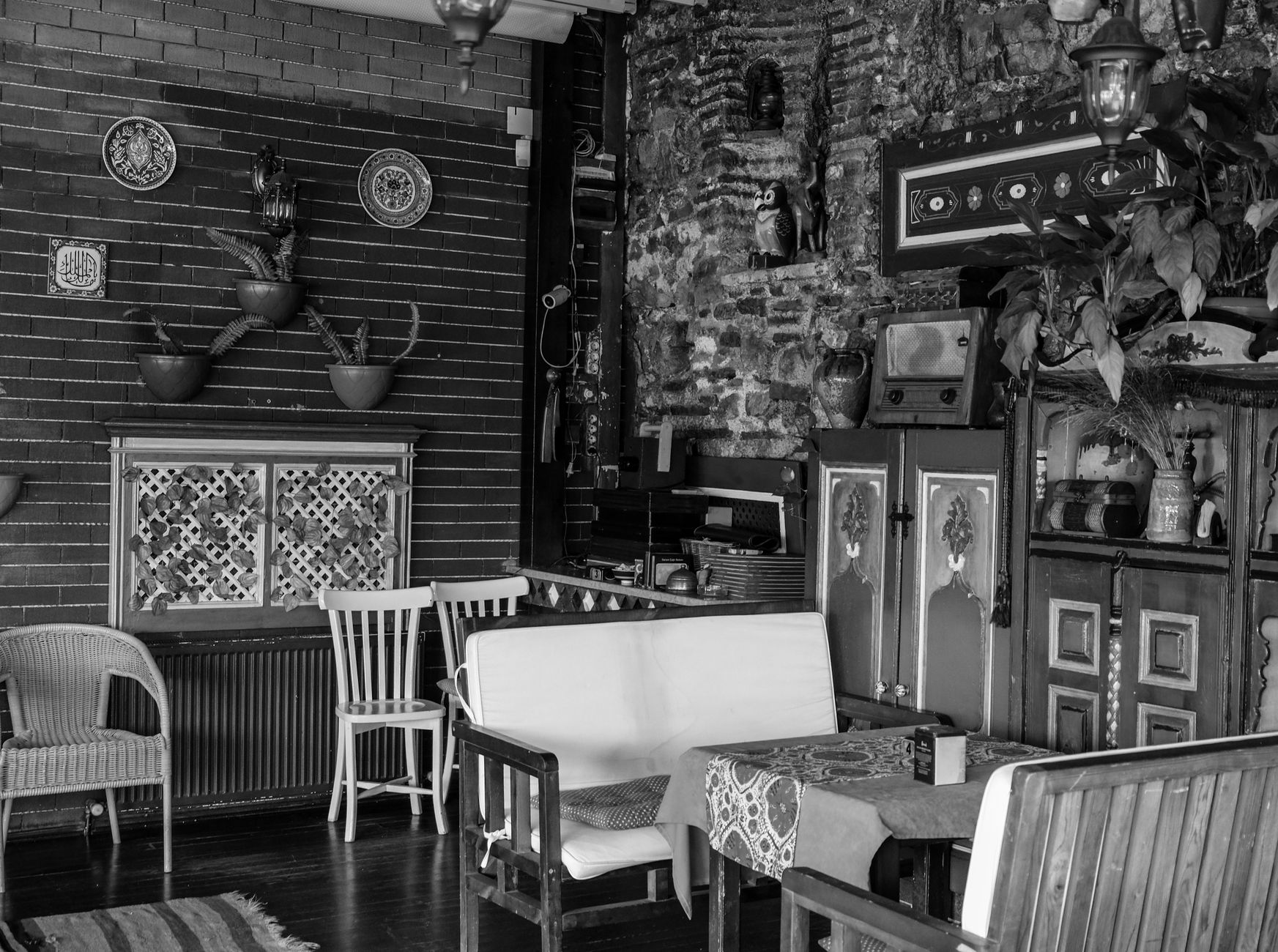
While Gangnam's contemporary image emphasizes futuristic design and modern luxury, a parallel movement celebrates Korean nostalgia and vintage aesthetics. Hidden vintage cafes tap into "감성" (gamseong—sensibility/sentiment), a distinctly Korean cultural concept that romanticizes memories, bygone eras, and emotional connections to objects and spaces. Vintage hidden cafes often occupy converted residential spaces from the 1980s-1990s, deliberately preserving original architectural features: exposed brick, original wooden beams, vintage tile flooring, and period-appropriate fixtures. Rather than polishing these elements, cafes celebrate their patina and character. Furniture might include antique tables sourced from flea markets, vintage vinyl chairs, and shelving displaying collected curiosities—old camera equipment, vinyl records, vintage books, and nostalgic memorabilia. This aesthetic appeals to younger Koreans experiencing a phenomenon called "올드 감성" (old sensibility)—a romantic appreciation for pre-digital Korean life. For international visitors, these spaces offer windows into Korea's recent history and contemporary attitudes toward modernity. You'll encounter patrons taking photos next to vintage calendars, old advertisement signs, and retro technology transformed into decorative objects. The beverage experience in vintage cafes often includes traditional Korean drinks alongside specialty coffee. Yujacha (citron tea), omija (five-berry drink), and traditional herbal remedies share menu space with pour-over coffee. Some vintage cafes feature traditional Korean snacks: hotteok (sweet red bean pastry), patbingsu (shaved ice dessert), and songpyeon (Korean rice cakes). Many vintage cafes operate with owner-centric service models. Rather than anonymous corporate service, interactions with cafe owners become part of the experience. These individuals often have fascinating backstories—perhaps they're retired artists, former musicians, or curators who deliberately transformed their personal spaces into public gathering spots. Conversations about the cafe's history, design choices, and vintage item origins are encouraged. The community aspect strengthens in vintage cafes, where regular customers form tight social networks. Visiting multiple times reveals deeper layers—hidden recommendation notebooks, loyalty systems using old-fashioned stamps, and seasonal decorations reflecting the owner's evolving aesthetic. These spaces function as informal cultural institutions, preserving and celebrating specific visions of Korean identity. Photography in vintage cafes requires thoughtfulness. While the aesthetic invites documentation, the owners often prefer respectful engagement over treating their space as a photo studio. The most memorable vintage cafe experiences involve extended stays, conversations with owners, and gradual discovery of the space's hidden details.
| Cafe Type | Ideal For | Average Stay | Price Range (KRW) |
|---|---|---|---|
| Minimalist Contemporary | Photography, quiet work, specialty coffee appreciation | 1-2 hours | 7,000-10,000₩ |
| Vintage/Nostalgic | Cultural experience, casual meetings, storytelling | 2-3 hours | 5,000-8,000₩ |
| Artisanal Roastery | Coffee education, brewing demonstrations, workshops | 1-2 hours | 8,000-12,000₩ |
| Concept/Themed | Themed experiences, group outings, Instagram content | 1-2 hours | 6,000-10,000₩ |
| Botanical/Nature-Inspired | Nature lovers, plant enthusiasts, peaceful atmosphere | 1.5-3 hours | 7,000-11,000₩ |
Artisanal Coffee Roasteries: Behind-the-Scenes Cafe Culture
For serious coffee enthusiasts, Gangnam's artisanal roasteries represent the pinnacle of Seoul's coffee revolution. These aren't merely cafes serving pre-made drinks; they're laboratories where roasting, brewing, and tasting become collaborative experiences between baristas and patrons. Artisanal roasteries in hidden Gangnam locations typically feature transparent roasting spaces where customers observe the entire process. Industrial-style roasting equipment becomes sculptural focal points—brass and stainless steel machines positioned for visibility. Many roasteries maintain small libraries of coffee-related books, roasting charts, and tasting notes. The atmosphere combines coffeehouse comfort with scientific precision. The coffee education process is central to these experiences. Baristas offer detailed explanations about bean origins, altitude, harvest seasons, and flavor profiles. Rather than simply ordering coffee, customers engage in consultations about brewing preferences—light roast for bright acidity, dark roast for fuller body, specific brew methods optimized for particular beans. This consultative approach transforms coffee consumption into active learning. Many hidden roasteries source directly from specific farms, often featuring stories about relationships with growers. You'll encounter beans labeled with farmer names, specific regional characteristics, and tasting notes like "citrus and honey," "chocolate and nuts," or "floral and fruity." This direct-trade philosophy differs radically from mass-market coffee chains, emphasizing transparency and relationship-building across global supply chains. Roasteries typically offer several brewing methods simultaneously: pour-over, AeroPress, French press, siphon, and espresso machines. Customers can request specific brewing techniques for their chosen bean, creating infinite combinations. Some roasteries conduct formal cupping sessions—structured tastings where multiple beans are evaluated side-by-side using professional protocols. The minimalist aesthetic carries through roasteries, with clean lines, unfinished concrete, and plants creating calm spaces around machinery. Seating areas often position visitors to observe roasting operations, creating a theater-like quality where coffee preparation becomes performance art. Baristas become performers, and customers become audience members appreciating technique and precision. Many artisanal roasteries operate limited hours and restrict customer capacity to maintain quality control. This intentional scarcity creates exclusivity—you're not served, you're admitted into a specialized community. Some roasteries request reservations, requiring advance commitment from patrons. For visitors seeking to understand Seoul's coffee culture deeply, spending time in a hidden roastery provides invaluable context. You'll encounter the language of coffee—"brightness," "body," "finish," "terroir"—and understand why Koreans increasingly view coffee with the seriousness previously reserved for tea ceremonies or wine tastings.
Practical Tips for Exploring Hidden Cafes in Gangnam
- Arrive early: Hidden cafes often reach capacity by mid-morning. Weekday visits before 11 AM offer solitude and unhurried barista interaction.
- Check Naver Map reviews: Photos from previous visitors reveal seasonal menu items, current decor, and realistic crowd levels.
- Learn basic Korean phrases: Ordering in Korean (even imperfectly) builds rapport with owners and baristas. Simple phrases like "한 잔 주세요" (han jan juseyo—one cup, please) go far.
- Respect phone policies: Many hidden cafes prohibit loud phone conversations. If you must take calls, step outside.
- Bring cash: Some small hidden cafes operate cash-only systems, avoiding digital footprints. Always carry Korean won.
- Take time for observation: Before ordering, spend moments observing the space, reading posted information, and appreciating design details.
- Visit multiple times: Understanding hidden cafes requires repeat visits. Seasonal changes, new menu items, and evolving decorations reward loyalty.
- Support independently: Many hidden cafes are solo operations or small teams. Your patience, kind words, and respect for their vision directly impact their sustainability.
Planning your hidden cafe exploration requires strategic thinking within Gangnam's geography. The district divides into several key neighborhoods, each with distinct cafe cultures. Apgujeong (압구정) focuses on luxury and design-forward cafes, while Sinnonhyeon (신논현) attracts younger crowds with trendy concept cafes. Cheongdam (청담) offers upscale experiences, whereas Nonhyeon (논현) maintains residential charm with locally-oriented hidden gems. Public transportation efficiency determines your exploration success. Using Seoul's integrated transportation system, you can visit 5-6 cafes within a single day. TheAREX Express Train connects Incheon Airport directly to Seoul Station in 43 minutes, positioning you to reach Gangnam via Line 2 (approximately 30 minutes). Once in the district, subway stations serve as orientation points. Gangnam Station, Apgujeong Station, and Sinnonhyeon Station each anchor different cafe districts. Weather significantly impacts hidden cafe experiences. Korea's autumn (September-November) and spring (April-May) offer ideal conditions with comfortable temperatures and abundant natural light benefiting photography and cafe ambiance. Summer humidity and winter cold challenge both visitors and establishments, though winter's crisp air and minimal crowds appeal to introverted cafe enthusiasts. For deeper cultural immersion, consider joining specialized Korea travel tours that include hidden cafe discoveries led by local guides. These experiences provide context about Seoul's cafe culture, neighborhood histories, and current trends unavailable through solo exploration. Language barriers diminish in cafes where visual communication dominates. Pointing to drinks, showing photos on your phone, or using translation apps bridges gaps. Most Gangnam cafe owners and baristas possess basic English; those without appreciate patient attempts at Korean communication.
Beyond Coffee: Hidden Cafe Food Cultures and Specializations
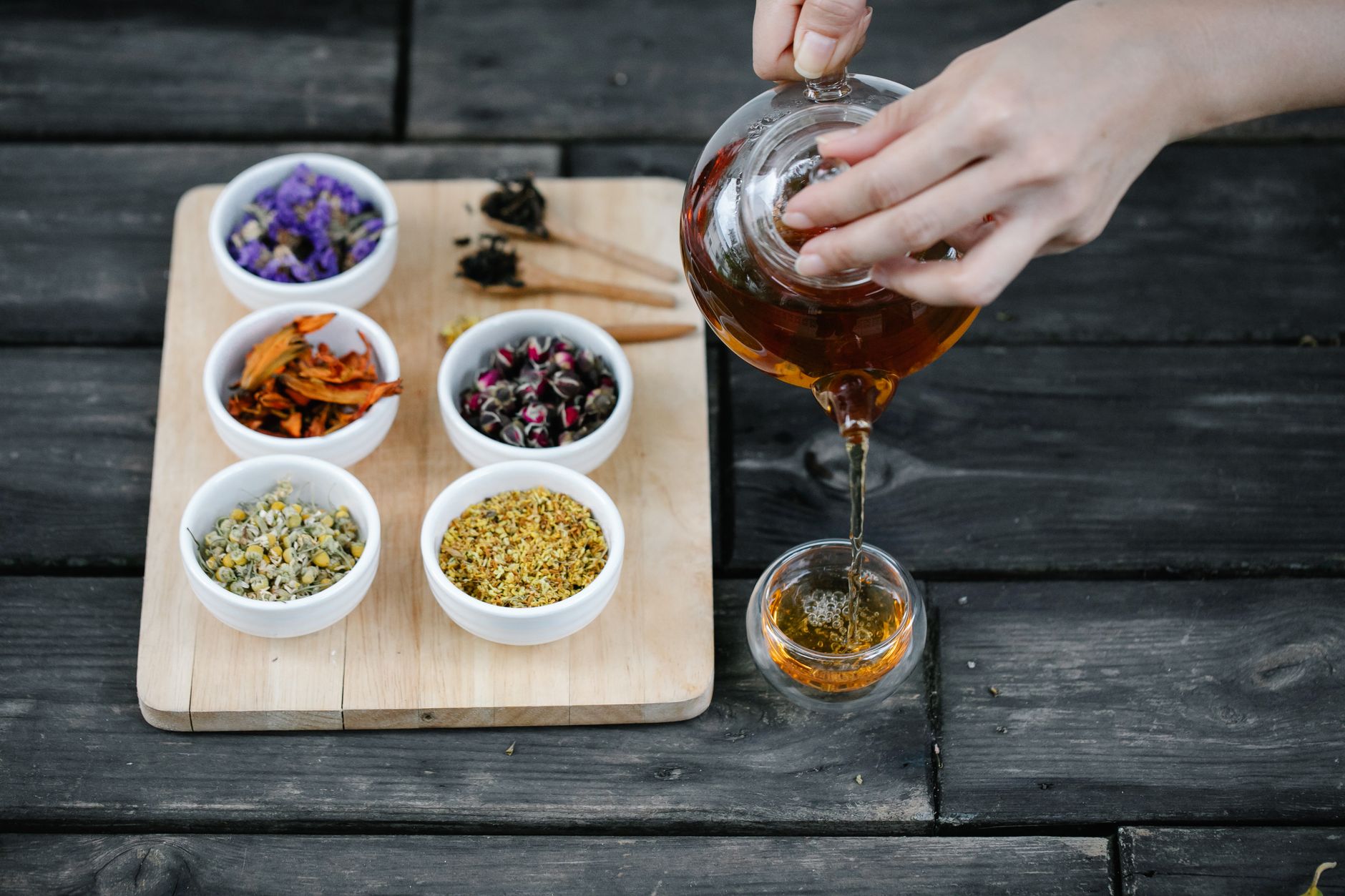
Modern hidden cafes transcend traditional beverage-focused models, evolving into specialized culinary destinations. Gangnam's sophisticated palate supports cafes focusing on specific foods, beverages, or thematic experiences alongside coffee. Botanical cafes represent one popular specialization, featuring living plants integrated into design and menu. These spaces serve herbal infusions, botanical-inspired drinks, and plant-based pastries. Greenery covers walls, window sills, and table spaces—creating jungle-like atmospheres within urban Gangnam. Some botanical cafes operate plant nurseries simultaneously, selling specimens to patrons interested in bringing home botanical memories. Natural wine cafes have proliferated across Gangnam, targeting younger professionals interested in minimal-intervention wines paired with simple foods. These spaces blend wine bar and cafe experiences, offering natural wines by the glass, charcuterie boards, and artisanal cheeses. They function as sophisticated alternatives to typical Seoul drinking venues, emphasizing quality and education. Dessert-focused cafes present another specialization—hidden patisseries featuring house-made pastries, cakes, and confections. Rather than full meals, these establishments concentrate expertise on sweets. A typical visit involves selecting a dessert and selecting accompanying beverages (coffee, tea, or dessert wine) creating perfect pairings. These cafes appeal to those with specific dietary preferences who value knowing exactly what they're consuming. Beverage-specialty cafes focus exclusively on drinks: precision-crafted lattes, housemade syrups, cold brew systems, or traditional Korean teas. Some hidden cafes feature hojicha (roasted green tea) as primary offerings, reviving interest in traditional Korean beverages. Others specialize in yuzu, ginger, or citron preparations—exploring Korean flavor traditions through modern techniques. Some hidden cafes combine culinary experiences with workshops—customers learn to roast coffee, brew tea, or prepare traditional drinks under expert guidance. These educational components transform visits into memorable experiences and create community among participants. Menu seasonality remains important across all hidden cafe specializations. Rather than maintaining consistent offerings, establishments celebrate seasonal ingredients, limited-time experiments, and rotating collaborations with other local businesses. This approach keeps regular customers engaged and encourages frequent revisits.
Budgeting Your Hidden Cafe Adventure: Costs and Value
Understanding pricing structure helps optimize your hidden cafe budget. Gangnam cafes range from affordable neighborhood spots (3,000-5,000 KRW for basic coffee) to premium artisanal roasteries (12,000-15,000 KRW for single-origin specialty drinks). Hidden cafes in residential areas typically undercut commercial zones, offering better value for equivalent quality. A carefully-prepared pour-over in a minimalist basement cafe might cost 8,000 KRW versus 12,000 KRW in a visible street-level location. This pricing reflects reduced overhead, not diminished quality. Pastry pricing varies significantly. Simple croissants cost 4,000-6,000 KRW, while specialized seasonal desserts reach 8,000-12,000 KRW. Bundling a beverage and pastry typically costs 12,000-18,000 KRW—reasonable considering ingredient quality and artisanal preparation. Hidden vintage cafes offer exceptional value, often combining extended stays (3+ hours) with affordable drinks and nostalgic snacks. You might spend 10,000 KRW total yet feel immersed in a culturally-rich experience worth far more. Artisanal roasteries represent premium pricing but justify costs through education. A 12,000 KRW specialty coffee includes explanation, brewing demonstration, and direct interaction with coffee expertise. Compared to 6,000 KRW chain-cafe drinks lacking context, the premium offers substantial value. Budgeting strategies for hidden cafe exploration: allocate 100,000-150,000 KRW daily for comprehensive experiences including multiple cafes, meals, and occasional snacks. This budget accommodates visiting 4-5 cafes daily while maintaining flexibility for unexpected discoveries. Currency exchange requires attention. Most hidden cafes accept Korean credit cards and digital payment systems (Naver Pay, Kakao Pay), though maintaining cash provides flexibility. ATMs near Gangnam Station offer convenient won withdrawal.
Frequently Asked Questions About Gangnam Hidden Cafes
What are the best neighborhoods for hidden cafe discoveries in Gangnam?
Sinnonhyeon and Nonhyeon neighborhoods feature the highest concentration of authentic hidden cafes, while Apgujeong attracts design-forward establishments. Gangnam Station surroundings offer diverse options, though less "hidden" than side neighborhoods. For undiscovered gems, venture south of Gangnam Boulevard (강남대로) toward residential areas. Cheongdam area caters to luxury aesthetics, while areas near Han River parks combine nature with cafe culture.
How do I find hidden cafes that aren't on mainstream tourist guides?
Follow Korean Instagram accounts focused on cafe culture (search #강남카페숨은감성카페). Check recent Naver Map submissions—new cafes appear within days of opening. Join Korean travel communities on Reddit or Naver café forums where locals share discoveries. Consider hiring local guides through platforms offering experiential tours. Walk intentionally through side streets, observing small signage and storefronts that major maps might ignore. Many hidden cafes deliberately minimize advertising, relying on word-of-mouth and local community awareness.
Are hidden cafes welcoming to non-Korean speaking tourists?
Absolutely, though approaching with respect matters significantly. Most Gangnam cafe owners appreciate foreign visitors, particularly those attempting Korean communication or showing genuine interest in their establishments. Visual ordering (pointing to menu boards or showing phone photos) bridges language gaps effectively. Having your hotel address written in Korean helps taxi drivers and baristas assist navigation. Learning basic courtesies ("감사합니다"—thank you, "주세요"—please) shows respect that owners reciprocate warmly. Younger baristas often speak English, while older owners typically appreciate patient communication.
What's the typical etiquette for photographing in hidden cafes?
Ask permission before extensively photographing spaces or people. Most owners appreciate tasteful documentation but dislike treating their establishments as backdrops for casual snapshots. Avoid bright flash photography that disrupts the atmosphere. Photo at off-peak hours shows respect for other patrons' experiences. Some hidden cafes explicitly request photo restraint; observe signage or ask staff. Generally, you may photograph your food/drink and ambient spaces, but ask before photographing owners, staff, or other customers. Sharing tagged photos on Instagram often delights cafe owners, increasing community connection.
Can I work/study for extended periods in hidden cafes?
Policies vary significantly. Artisanal roasteries and contemporary minimalist cafes generally welcome extended stays (2-3 hours) with single beverage purchases. Vintage cafes actively encourage long occupancy, viewing lingering customers as community members. Busy chain-style cafes prefer quicker turnover. Communicate intentions to baristas—most appreciate directness. Purchasing additional items (multiple drinks, pastries) demonstrates good faith and supports businesses. Always maintain quiet, contemplative behavior and observe cafe atmosphere. Never assume you can occupy a seat indefinitely without spending; regular purchases maintain the privilege. Weekend afternoons are generally less welcoming for extended work sessions due to higher customer demand.