
Jeju Island stands as South Korea's crown jewel for luxury tourism, attracting millions of international travelers each year. Whether you're seeking a romantic escape, a family vacation, or a wellness retreat, this volcanic island paradise offers world-class resort experiences at surprisingly competitive prices. This comprehensive guide explores the best luxury resort deals on Jeju Island, insider tips for maximizing your budget, and everything you need to know about planning an unforgettable Korean island getaway.

Understanding Jeju Island's Premier Luxury Resort Market
Jeju Island has undergone a remarkable transformation over the past decade, establishing itself as one of Asia's most desirable luxury destinations. The island hosts over 400 accommodation properties ranging from budget hostels to ultra-premium five-star resorts, creating a competitive market that benefits savvy travelers. What makes Jeju Island particularly attractive for luxury resort deals is the combination of seasonal pricing variations, promotional campaigns by major hotel chains, and the island's status as South Korea's duty-free shopping zone. The luxury resort market on Jeju Island encompasses various property types: international chain hotels like Lotte, Hyatt, and Shilla; boutique properties focused on Korean design and hospitality; and exclusive villa resorts offering privacy and personalized service. High season typically runs from June through August and during Korean holiday periods (Lunar New Year, Chuseok), while shoulder seasons in April, May, September, and October offer the best value without compromising weather or experience quality. Understanding the local tourism economy is crucial. Jeju Island's resorts compete intensely for international bookings, leading to aggressive discounting through online travel agencies, direct hotel websites, and loyalty programs. The introduction of the Jeju Tourism Organization's official website has made it easier for travelers to access current promotions and exclusive deals directly from property managers. Additionally, many resorts offer package deals that bundle accommodation with spa services, dining credits, or activities like hiking Hallasan or visiting the island's famous haenyeo (female diver) villages.

Top-Rated Luxury Resorts with Current Deal Opportunities
Several premier properties consistently rank among Asia's best luxury resorts while offering exceptional deal potential. The Shilla Jeju represents the pinnacle of Korean luxury hospitality, featuring 273 rooms set across private beachfront property, championship golf courses, and multiple Michelin-adjacent dining venues. During shoulder season, room rates can drop 30-40% from peak pricing while maintaining full access to all facilities and services. The Lotte Hotel Jeju combines sophisticated international standards with Korean cultural experiences. This property excels in offering family-friendly luxury, with kids' clubs, water parks, and cultural programs that justify premium pricing even during moderate discount periods. Their signature deal during May-June typically includes complimentary airport transfers, spa credits worth $150+, and guaranteed room upgrades. For boutique luxury experiences, properties like the Haevichi Hotel & Resort showcase contemporary Korean design architecture with ocean views spanning the entire southern coastline. Smaller luxury properties often provide better per-night value than megaresorts because they offer personalized service without the massive operational overhead. The Conrad Jeju represents international luxury at its finest, featuring infinity pools overlooking the ocean, world-class dining, and service standards meeting global five-star benchmarks. Their off-season packages (January-March, November-December) regularly feature 40-50% discounts coupled with complimentary breakfast and welcome amenities. Before booking directly with hotels, international travelers should explore partnerships with major hotel loyalty programs (Marriott Bonvoy, IHG, Hilton Honors, Hyatt World of Hyatt) which often provide exclusive Jeju rates, complimentary room upgrades, and late checkout privileges. The key to accessing the best deals involves flexible travel dates, early booking (60+ days in advance), and monitoring multiple booking platforms simultaneously.
Seasonal Pricing Patterns and When to Book for Maximum Savings
Jeju Island's resort pricing follows predictable seasonal cycles that international travelers can leverage for substantial savings. Understanding these patterns is essential for budget optimization without sacrificing experience quality. Peak Season (June-August, December 20-January 3, Korean Holidays): Room rates increase 60-100% above base pricing as Korean domestic tourism peaks. International travelers should generally avoid these periods unless specific dates are non-negotiable. Single nights in top-tier properties can exceed $500-800 during peak periods. Shoulder Season (April-May, September-October): This represents the sweet spot for value-conscious luxury travelers. Weather remains excellent with mild temperatures, cherry blossoms (April-May) or autumn foliage (September-October) enhancing the landscape, while resort rates drop 20-35% below peak. Hotels actively promote these periods to maintain occupancy, offering spa packages, dining credits, and activity inclusions. Late spring specifically offers the best combination of reasonable pricing, perfect weather (18-22°C), and abundant cherry blossom experiences. Low Season (January-March, November): Winter months present the deepest discounts, with rates 40-60% below peak pricing. However, weather becomes unpredictable with potential rain and occasional snow. January offers particularly aggressive discounting as hotels address post-holiday vacancy rates. Strategic booking windows vary by hotel. International chains typically release promotional rates 60-90 days in advance and honor early-bird discounts for those planning ahead. For optimal deal hunting, set up price alerts on major booking platforms like Booking.com, follow resort social media accounts for flash sales, and monitor travel deal websites that specialize in Korean accommodations. Currency fluctuations also impact pricing for international travelers. When the Korean won weakens against your home currency, luxury experiences become significantly more affordable. Travelers with flexible currency positions should monitor exchange rates and adjust booking timing accordingly.
Comparing Resort Amenities and Hidden Value Proposition
| Resort Property | Base Rate Range | Key Amenities | Best Deal Period |
|---|---|---|---|
| The Shilla Jeju | $350-650 | Golf courses, beach access, spa, fine dining | May-June, Sept-Oct |
| Lotte Hotel Jeju | $280-520 | Kids club, water park, cultural programs | April-May, Nov |
| Conrad Jeju | $320-600 | Infinity pools, Michelin dining, wellness | Jan-Mar, Nov-Dec |
| Haevichi Hotel & Resort | $240-420 | Korean design, ocean views, gallery | March-May, Oct-Nov |
| Jeju Shilla Stay | $200-350 | Serviced apartments, kitchen, extended stay | Year-round consistent deals |
Beyond room rates, luxury resort value extends to included amenities and available packages. The Shilla Jeju packages often include complimentary golf rounds ($150+ value), spa credits ($100+), and welcome amenities ranging from wine to traditional Korean snacks. These inclusions effectively reduce net accommodation costs by 15-20% when calculated against à la carte pricing. Haevichi's boutique positioning offers advantages through personalized service, limited room inventory creating exclusivity, and art gallery experiences that larger properties cannot replicate. Their lower base rates reflect boutique economics rather than reduced quality, making them exceptional value for travelers prioritizing intimate hospitality over resort scale. Family travelers should scrutinize kids' club inclusions carefully. The Lotte Hotel's comprehensive children's programming can reduce external activity expenses by $50-100 daily, making premium nightly rates more economical when calculated across entire family stays. Wellness-focused travelers will find Conrad Jeju's spa and fitness partnerships provide better value than booking treatments separately. For extended stays exceeding seven nights, serviced apartment properties like Jeju Shilla Stay offer superior per-night economics, full kitchen access reducing dining expenses, and residential-style amenities. These properties rarely discount as aggressively as traditional hotels, but their base rates prove more economical for longer engagements.
Leveraging Package Deals and Hidden Value Strategies
Strategic package bundling represents one of the most underutilized pathways to luxury resort value. Rather than booking accommodation alone, bundled packages combining lodging, meals, activities, and services often provide 20-35% savings against à la carte pricing. The Rich Honey Korean tour platform specializes in curated Jeju packages that bundle resort stays with cultural experiences, local guide services, and dining at Michelin-recognized establishments. Their partnerships with major properties often deliver rates 25-30% below publicly posted pricing while including services tourists would independently pay premium rates for. Honeymoon packages deserve special attention, offering the deepest discounts regardless of booking timing. Resorts allocate substantial discounts for honeymoon couples, often including complimentary room upgrades, couples' spa treatments, romantic dinner experiences, and special amenities like champagne or rose petal arrangements. Couples celebrating anniversaries within five years often qualify for similar promotions. Activity bundling frequently delivers overlooked savings. Packaging accommodation with Hallasan hiking guides, haenyeo village experiences, or premium dining eliminates transportation uncertainty while leveraging resort partnerships with activity providers. Individual arrangements incur markup overhead; bundled pricing distributes these costs more efficiently. Corporate retreat and group packages present another avenue for deal optimization. Even solo travelers can sometimes access group rates by joining organized tour groups departing from major cities. These arrangements include accommodation, guided tours, meals, and activities with per-person costs often matching individual resort booking costs while providing substantially more comprehensive experiences. Loyalty program redemption deserves consideration despite requiring advance planning. Accumulating points through credit card spending or previous stays, then redeeming for free or heavily discounted nights at Jeju properties, circumvents normal pricing constraints. One free night in a $400 room represents $400 direct savings that no package discount can match.
Navigating Transportation and Maximizing Value Beyond the Resort
Luxury resort value extends beyond accommodation quality to encompass convenient access to Jeju's attractions, dining, and experiences. Strategic resort selection influences overall trip economics significantly. Jeju International Airport operates as the island's primary gateway, located approximately 15 kilometers east of central tourist areas. While airport transfers represent seemingly minor expenses (typically $12-25 per person), resort locations and transfer arrangements substantially impact daily logistics and satisfaction. Properties offering complimentary airport transfers reduce first-day friction and deliver genuine value beyond headline room rates. The Jeju island bus system provides comprehensive public transportation covering major destinations, though service frequency and accessibility vary significantly by resort location. Properties positioned near transit hubs (Jeju City downtown or Seogwipo coastal areas) enable independent exploration without rental car expenses ($40-60 daily). However, luxury resort properties typically position themselves in scenic but isolated coastal areas necessitating private transportation. Renting a vehicle through Korean car rental services like Kickcar proves more economical than daily taxi expenses for multi-day stays. Luxury resort concierge services can arrange rental partnerships providing preferential rates. Budget an additional $200-300 for a week-long rental when calculating true accommodation value. Dining represents the second-largest trip expense after accommodation. Resorts featuring multiple restaurants and diverse cuisines (ranging from casual cafes to Michelin-recommended fine dining) provide flexibility without requiring external exploration. Properties offering meal packages with diverse venue options deliver superior value versus resorts with limited dining options forcing restaurant exploration. A luxury property with 5-7 quality dining venues on-site effectively reduces daily meal expenses through internal competition and convenience. Activities bundled with resort packages (spa services, cultural experiences, wellness classes) command premium pricing when booked independently. Resorts leveraging haenyeo village partnerships, Hallasan hiking arrangements, or premium spa services as package inclusions deliver substantial value versus independent booking. Verify activity provider credentials and experience levels before committing to packages, as bundled activities occasionally involve less experienced guides than independently-sourced alternatives. Jeju's status as a duty-free zone benefits luxury travelers through discounted high-end cosmetics, spirits, and fashion merchandise. Resort shopping arcades often feature duty-free retailers; however, prices frequently exceed airport duty-free and downtown shopping districts (Lotte World, Shinsegae) in Jeju City. Calculate the value of on-property shopping convenience against slightly premium pricing when evaluating resort location desirability.
Exclusive Dining Experiences and Culinary Value Optimization
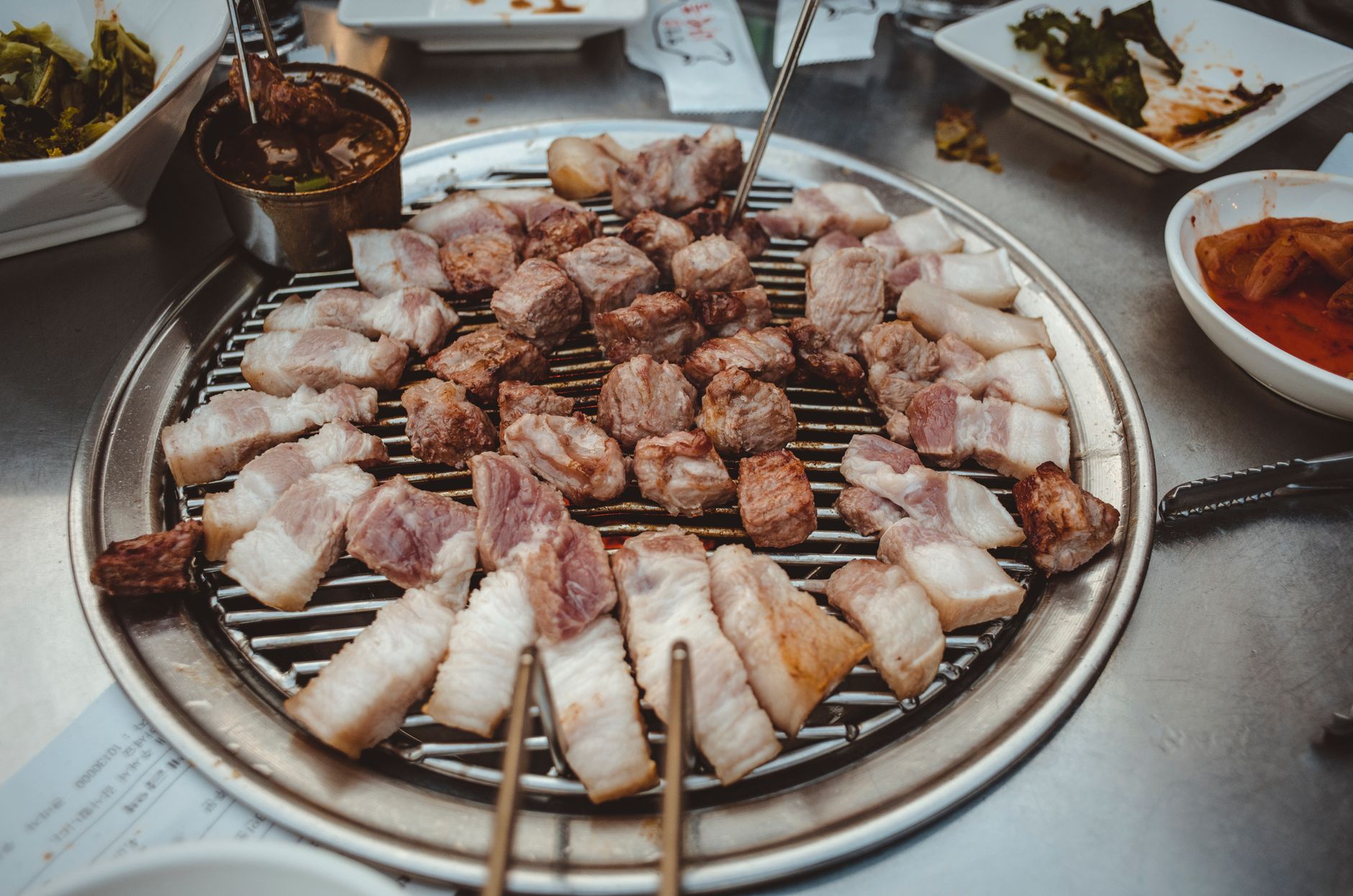
Jeju Island has emerged as South Korea's premier culinary destination, with restaurants achieving Michelin recognition and international acclaim. Luxury resort packages frequently include dining credits or meal inclusions positioning food experiences as central value components rather than supplementary benefits. Jeju's unique food culture centers on seasonal local ingredients unavailable elsewhere in Korea or internationally. Black pork (heugdwaeji) raised across the island's volcanic soil develops distinctive flavor profiles commanding premium prices in Seoul or international markets. Luxury resort packages incorporating black pork specialized restaurants provide culinary experiences tourists cannot replicate at home. A $200 restaurant experience included in packages becomes authentic value rather than inflated pricing. Seafood dominates the island's culinary identity, with live abalone, sea urchin, and locally-caught fish featured prominently in upscale dining. Haenyeo (traditional female divers) villages have evolved to include restaurants serving preparations impossible to obtain outside Jeju. Resort partnerships with these establishments through package inclusions provide cultural experiences alongside exceptional cuisine. Independent arrangements involve logistical complexity; bundled packages simplify access while providing authentic experiences guided by resort expertise. Michelin-recognized establishments on Jeju Island include premier fine dining venues, many integrated within or partnered with luxury resorts. A meal at a Michelin-recommended restaurant typically costs $150-300 per person; inclusion in package deals represents extraordinary value. Verify whether dining packages include Michelin venues, wine pairings, and tasting menu experiences versus casual restaurant access, as these distinctions significantly impact value calculations. Korean culinary culture emphasizes seasonal dining highlighting peak ingredient availability. Spring features wild vegetables (sanсai) and fresh seafood; summer emphasizes cooling preparations; autumn celebrates mushrooms and root vegetables; winter highlights preserved preparations and hearty soups. Travelers visiting during specific seasons should seek package deals emphasizing seasonal dining, as these experiences deliver superior flavor and authentic cultural connection compared to year-round menus. Jeju's craft beverage scene has developed substantially, with local breweries, coffee roasters, and makgeolli (rice wine) producers establishing international reputations. Boutique luxury resorts increasingly offer curated beverage experiences featuring local producers alongside international selections. These experiences cost $30-80 per person when booked independently; inclusion in packages demonstrates sophisticated hospitality.
Practical Booking Strategies and Red Flags to Avoid
Successfully booking luxury resort deals requires systematic approaches and awareness of common pitfalls reducing value or creating unexpected complications. Multi-Platform Comparison: Room rates vary substantially across booking platforms, hotel direct websites, and aggregator services. A property might display identical availability but different pricing across Booking.com, Expedia, Agoda, and the hotel's proprietary website. Allocate 30 minutes comparing rates across minimum five platforms before committing. Price variation frequently reaches $50-150 per night despite selling identical room categories and dates. Read Cancellation Policies Meticulously: Deep discount rates often come with restrictive cancellation terms (non-refundable, cancellation deadlines 30+ days before arrival). Verify cancellation policy specifics before booking, as lower prices reflect reduced flexibility. Luxury travelers often prefer slightly higher rates with generous cancellation options accommodating unpredictable schedules. Verify Included Services: Package prices sometimes obscure additional mandatory fees (resort fees, parking, facility charges) added during checkout. Request all-inclusive pricing confirmation in writing before booking, ensuring transparent final pricing. Luxury properties sometimes charge $30-50 daily "resort fees" covering amenities presented as complimentary benefits. Currency and Payment Optimization: International travelers can often reduce final costs through strategic payment approaches. Booking in Korean won through Korean payment methods sometimes yields lower rates than international currency bookings, though currency fluctuation risk transfers to travelers. Conversely, credit card rewards and foreign exchange benefits may justify international payment methods despite marginally higher room rates. Group and Corporate Codes: Various organizations (alumni associations, professional groups, corporate employers) negotiate special resort rates with Jeju properties. Travelers holding memberships in these organizations should request code-based booking before accepting public rates. Corporate codes frequently provide 15-25% discounts without publicizing availability. Red Flags to Avoid: Extreme prices (rates 70%+ below comparable properties) often indicate room categories substantially smaller than competitors, restricted check-in/checkout times, or amenity limitations. Request explicit room specifications, floor plans, and view confirmations before booking unusually cheap rates. Properties requiring upfront payment via bank transfer rather than credit cards present fraud risks; utilize credit card security features for protection. Booking directly with unverified third-party websites rather than hotel official sites or established aggregators risks fraudulent transactions and booking non-existence.
Luxury Resort Experiences Justifying Premium Pricing
Beyond accommodation fundamentals, luxury resort deals often deliver specialized experiences explaining premium positioning. Understanding these value components helps travelers assess whether deal pricing truly represents value or reflects property devaluation. Spa and wellness facilities in Jeju's luxury resorts exceed typical standards, often featuring Korean jjimjilbang traditions (sauna experiences) alongside international spa services. Specialized treatments (volcanic stone therapies utilizing Jeju geology, haenyeo-inspired seaweed treatments) cannot be sourced independently. Day spa pricing for similar experiences ($100-200+) makes spa package inclusions genuinely valuable. Properties like The Shilla Jeju feature destination spas commanding independent visit costs; inclusion in packages represents tangible savings. Wellness programming increasingly differentiates luxury properties through yoga classes, guided meditation, fitness programs, and nutritional consultation. Resorts integrating wellness into comprehensive programming justify premium positioning versus competing facilities offering accommodation-only models. Travelers prioritizing wellness alignment should seek specific programming confirmation rather than assuming all luxury properties offer equivalent experiences. Cultural programming bridges tourist expectations with authentic Korean experiences. Properties offering cooking classes, traditional arts instruction, or hanbok (traditional dress) photography sessions provide immersive cultural experiences reducing tour group dependency. These experiences typically cost $50-150 per person when booked independently; inclusion in luxury packages indicates thoughtful curation. Personalization and concierge services differentiate exceptional luxury properties from average accommodations. Elite properties feature concierge teams coordinating bespoke experiences, securing difficult restaurant reservations, arranging private car services, and providing insider recommendations. This service sophistication translates to tangible convenience and access unavailable through independent effort. Properties explicitly marketing white-glove service should justify premium positioning through demonstrated concierge capabilities. Environmental and cultural responsibility increasingly influence luxury property positioning. Properties featuring sustainable practices, local employment emphasis, and community partnership programs appeal to conscious travelers willing to pay premiums supporting ethical operations. Verify environmental claims through third-party certifications rather than accepting self-promotional materials.
❓ Frequently Asked Questions About Jeju Island Luxury Resort Deals
Q: What is the best time to book Jeju luxury resorts for deals?
A: Shoulder seasons (April-May and September-October) offer optimal value, combining pleasant weather with 20-35% discounts. For deepest discounts, consider January-March with 40-60% reductions, though weather becomes unpredictable. Book 60-90 days in advance for best promotional rates regardless of season.
Q: Do luxury resorts on Jeju Island offer better value than Seoul properties?
A: Jeju Island luxury properties typically offer better value per nightly rate than comparable Seoul properties, though overall trip costs depend on dining and activities. Jeju's isolated location necessitates resort-based meals more often, potentially offsetting accommodation savings. Calculate comprehensive trip costs rather than room rates alone.
Q: Are package deals with included meals actually better value than booking accommodation separately?
A: Package deals typically provide 15-25% savings compared to à la carte pricing, but only if included restaurants, meal types, and dining venues match your preferences. Verify exact dining options, meal categories (breakfast/lunch/dinner), and restaurant quality before assuming package savings. Some packages include buffet-only dining while fine dining costs extra.
Q: What is the best strategy for families seeking luxury without excessive expense?
A: Target properties with comprehensive kids' programs (Lotte Hotel), family suite configurations reducing room count requirements, and package meals reducing external dining expenses. Shoulder seasons provide ideal family timing—better weather than winter, fewer crowded peak season periods, and significantly lower rates. Multi-night packages (4+ nights) typically offer cumulative discounts improving overall value.
Q: Should I book directly with hotels or through booking platforms for better Jeju resort deals?
A: Compare both simultaneously—some properties offer loyalty program discounts exclusively through direct booking, while aggregator platforms provide exclusive rates unavailable directly. Major sites like Booking.com sometimes display prices $50-100 lower than hotel websites for identical offerings. Set up price monitoring across five platforms and book through whichever source offers lowest total pricing after fee verification.