Seoul, South Korea's vibrant capital, attracts millions of visitors annually, yet many travellers stick to the same popular districts and attractions. If you're planning a summer getaway to this dynamic city, discovering Seoul's hidden gems will transform your experience from ordinary to extraordinary. Beyond the crowded streets of Myeongdong and the typical palace tours, this metropolis conceals countless treasures waiting to be explored. From serene temples nestled in quiet neighbourhoods to underground food scenes that rival the country's most famous restaurants, Seoul offers authentic experiences that casual tourists often miss. This comprehensive guide reveals the best-kept secrets that locals cherish, ensuring your summer trip captures the true essence of K-culture, contemporary art, culinary excellence, and genuine Korean hospitality.

Exploring Seoul's Lesser-Known Neighbourhoods: Beyond Gangnam
While Gangnam captures global attention thanks to K-pop references and luxury shopping, Seoul's most authentic experiences hide in residential neighbourhoods that most guidebooks overlook. Hansung-dong, located in the northern reaches of the city, represents a perfect example of Seoul's evolving creative scene. This area has undergone a remarkable transformation, becoming a hub for independent cafés, vintage bookstores, and small galleries showcasing emerging Korean artists. Walking through Hansung-dong's tree-lined streets during summer, you'll encounter locals sipping iced coffee at intimate cafés tucked away in converted hanoks (traditional Korean houses), and discovering street art that tells stories of Seoul's cultural evolution.
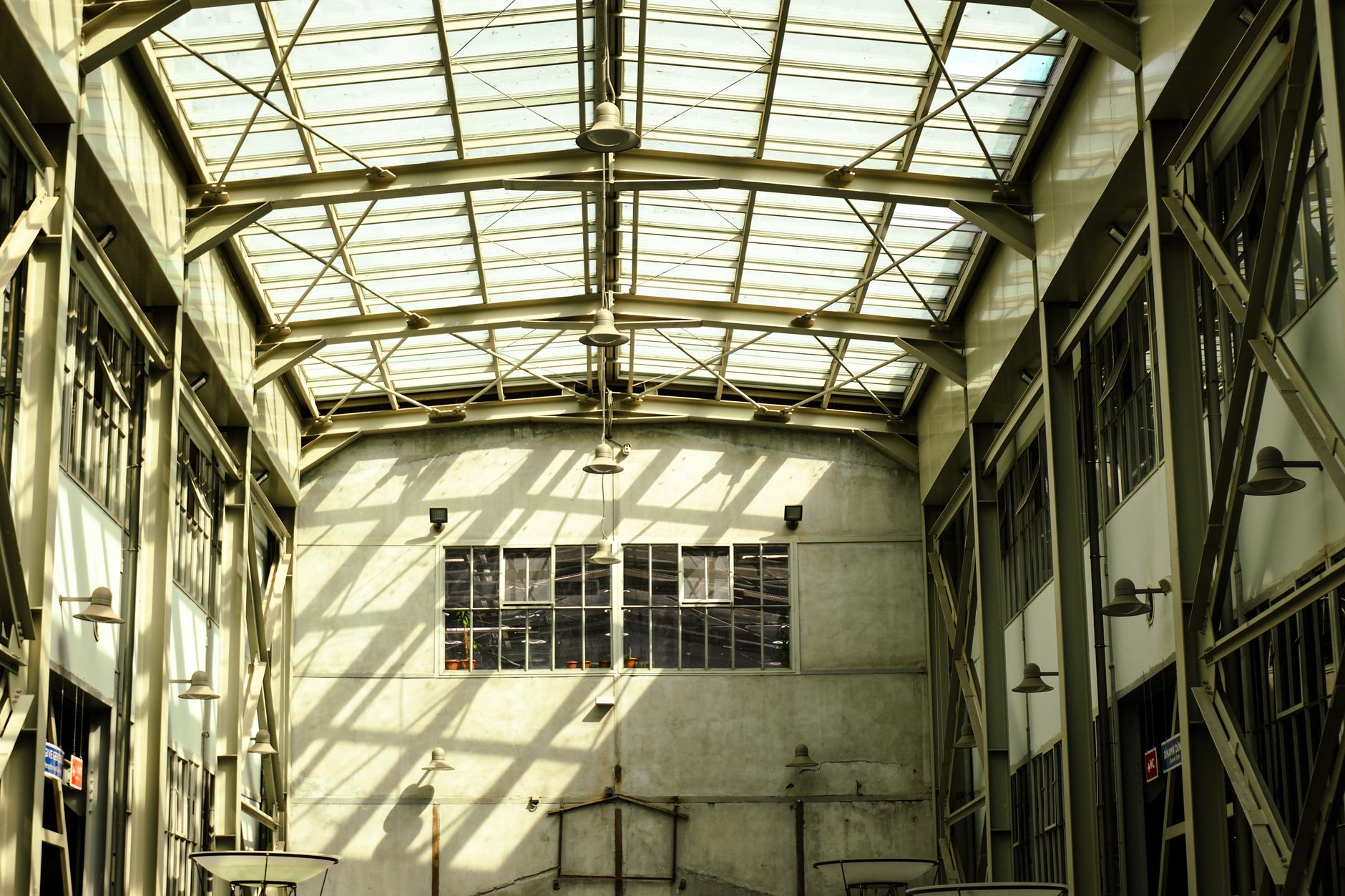
Another exceptional neighbourhood is Seongsu-dong, located east of the Han River. Once an industrial zone, this district has reinvented itself as a creative haven featuring art galleries, design studios, and trendy restaurants. The summer atmosphere here is particularly magical, with rooftop bars offering cooling drinks and panoramic city views as the sun sets. The architectural contrast between restored brick warehouses and modern installations creates an Instagram-worthy backdrop that feels distinctly different from Seoul's typical tourist zones.
Buam-dong presents yet another layer of Seoul's diversity, offering a quieter, more introspective experience. Nestled against the northern mountains, this neighbourhood features small temples, nature trails, and hidden shrines. Summer hiking here provides escape from the city's heat, with shaded forest paths leading to unexpected vistas overlooking downtown Seoul. Local residents frequent the neighbourhood's small restaurants serving traditional Korean mountain dishes, giving visitors genuine insight into how Seoulites eat when cameras aren't present.
To navigate these hidden neighbourhoods effectively, consider using Naver Map, Korea's most comprehensive mapping service, which includes detailed business information, user reviews, and real-time navigation essential for discovering these less-obvious locations. The app works seamlessly throughout Seoul and provides Korean language assistance when needed.
Summer Food Adventures: K-Food Beyond the Tourist Trail
Korean cuisine extends far beyond the bulgogi and bibimbap served in tourist restaurants. Summer in Seoul unlocks seasonal eating experiences that celebrate fresh produce and traditional cooking methods passed down through generations. Gwangjang Market, Seoul's oldest traditional market established in 1905, remains relatively undiscovered by international tourists despite its iconic status among locals. During summer, this sprawling market bursts with energy, vendors calling out their daily specials as you navigate narrow aisles overflowing with vibrant produce, dried seafood, and prepared foods.
The market's second floor buzzes with standing-room-only pojangmacha (street food stalls) where regulars crowd around steaming pots of bindaetteok (mung bean pancakes) and fresh nokdu-garu (green soybean powder). Try the kimbap here—locals swear this market's versions surpass versions sold elsewhere in the city. Summer heat makes the ice-cold naengmyeon (cold buckwheat noodles) particularly refreshing, and the market's versions, served in traditional restaurants operating since the 1970s, offer authentic preparation methods rarely found in modernized establishments.
Busan's sister markets pale in comparison to Seoul's Myeong-dong's hidden food alley networks. Discover the narrow passages between storefronts where family-run restaurants specializing in single dishes operate quietly, perfecting their craft over decades. These establishments often lack English menus or foreign customers, but their prices remain remarkably affordable and quality extraordinarily high. Summer tteokbokki (spicy rice cake) served here tastes vastly different from tourist versions—vendors customize spice levels and add seasonal vegetables reflecting summer's bounty.
For deeper culinary exploration, book an experience through Rich Honey Tours, which specializes in authentic Korean food experiences and cultural immersion activities that connect travellers with local food artisans and hidden restaurant communities throughout Seoul and beyond.
Hidden Temple Experiences and Spiritual Retreats
While Jogyesa Temple in downtown Seoul welcomes international visitors with meditation programs, numerous smaller temples throughout Seoul offer equally profound spiritual experiences with significantly fewer crowds. Hwagyesa Temple, nestled in the mountains of northern Seoul, provides a perfect summer retreat combining natural beauty with Buddhist practice. Summer programmes here include templestay experiences where guests participate in dawn prayers, learn traditional meditation techniques, and enjoy vegetarian meals prepared by monks using mountain-grown vegetables.
The temple's architecture exemplifies Korean Buddhist design, with wooden structures featuring intricate carvings and traditional paint patterns. Walking through the temple grounds during summer's early morning hours, before heat becomes oppressive, reveals details that busy daytime visits often miss. The peaceful atmosphere, accompanied by the sounds of temple bells and monks chanting sutras, offers profound contrast to Seoul's urban energy.
Bulguksa Temple, technically located in Gyeongju (a day trip from Seoul), remains less crowded than Jogyesa and rewards visitors with UNESCO World Heritage status architecture and extensive temple grounds encouraging extended exploration. The summer mountain setting provides natural cooling, and fewer tourists mean more intimate interactions with the monks and temple staff willing to share Buddhist philosophy and Korean spiritual traditions.
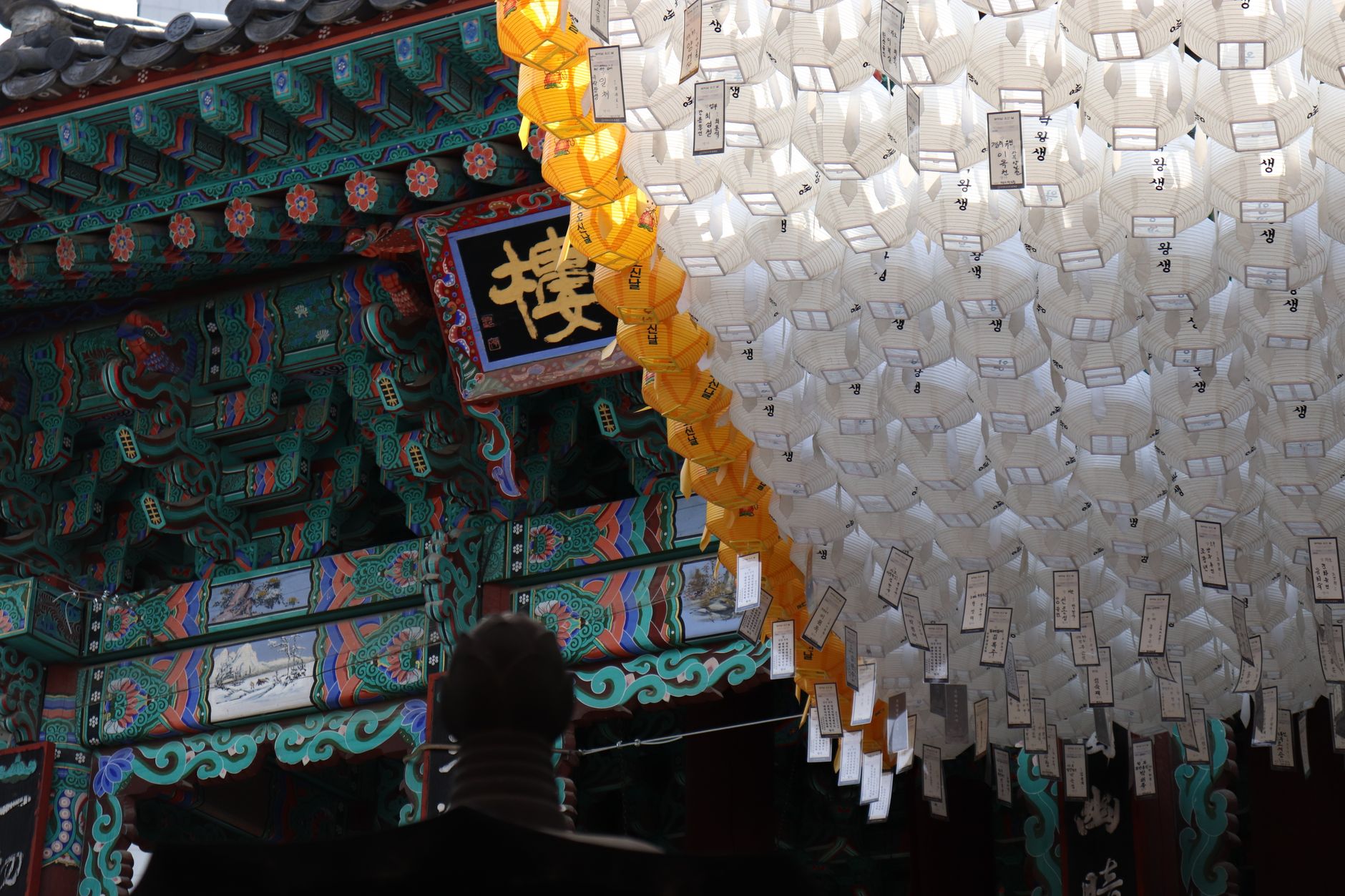
Another exceptional option is Bongeunsa Temple, located near the upscale Gangnam district yet overlooked by most visitors. The temple's summer lantern festival (Yeon Deung Hoe) features stunning displays, traditional performances, and authentic Korean Buddhist ceremonies. The temple operates a popular tea house serving traditional yuja-cha (citron tea) and other herbal preparations, offering a tranquil space for meditation and reflection despite the nearby urban environment.
Art, Museums, and Creative Spaces Off the Main Route
| Hidden Art Venue | Location | Summer Specialty | Best For |
|---|---|---|---|
| Seoul Museum of Art (SeMA) | Deoksugung Palace Area | Outdoor summer exhibitions | Contemporary Korean & international art |
| Arario Gallery Network | Multiple locations (Cheonan, Muyaho) | Artist residency programs | Emerging artists and installations |
| Zaha Hadid Architects Design Museum | Dongdaemun Design Plaza nearby | Architecture and design focus | Modern design enthusiasts |
| Hakgojae Gallery | Samcheong-dong (residential area) | Traditional Korean art with modern twist | Korean contemporary and traditional fusion |
Seoul's art scene extends far beyond the major museums advertised in guidebooks. The city houses dozens of small galleries, artist collectives, and experimental art spaces that rarely appear in tourist literature yet represent the cutting edge of Korean contemporary culture. Samcheong-dong, a residential neighbourhood near the famous Anguk Station, contains over forty independent galleries within walking distance, creating an informal art district where you can spend hours discovering Korean contemporary artists before they gain international recognition.
Project Space Sarubia and other artist-run galleries in areas like Itaewon-ro and Yongsan frequently host experimental exhibitions, performance art, and installations that showcase Seoul's emerging creative voices. Summer schedules often include open studio events where visitors interact directly with artists, gaining insight into their processes and philosophies. These venues rarely charge admission and welcome walk-in visitors, making them accessible cultural experiences that cost nothing yet offer invaluable cultural connection.
The Design Museum Seoul, housed in the iconic Dongdaemun Design Plaza, represents Korea's commitment to design innovation. The plaza's summer programming includes outdoor exhibitions, design markets, and architecture tours explaining the building's revolutionary structure. The surrounding neighbourhood, once industrial, now bustles with design studios, furniture showrooms, and cutting-edge restaurants where young Korean designers and creators gather.
Natural Escapes and Summer Outdoor Activities
While Han River Park remains popular, numerous lesser-known natural spaces offer equally refreshing summer experiences. Seokchon-gil, a walking path alongside the Cheonggyecheon stream in downtown Seoul, provides unexpected tranquillity within the city's core. During summer evenings, locals jog, walk, and cycle along this restored waterway that once flowed openly before mid-century urban development covered it. The recent restoration project exposed this natural feature, creating a green corridor that cools the surrounding area and provides habitat for birds, fish, and aquatic plants.
Namsan's network of hiking trails offers escape from downtown heat, with shaded forest paths leading to historical sites, observation points, and small temples. The summer trails are particularly magical during early morning hours when mist lingers over the mountainside and wildlife activity peaks. Several lesser-known entrances provide access to quieter sections rarely crowded with tourists, allowing genuine communion with nature within the city limits.
For aquatic summer activities, consider visiting Seocho Hangang Park's quieter sections rather than the central areas. The park's southern districts feature less crowded beaches, picnic areas, and water sports facilities. Summer water activities include paddleboarding, canoeing, and fishing, with several rental facilities catering to both beginners and experienced enthusiasts. Evening visits reward you with sunset views over the Han River, with city lights creating magical reflections as darkness falls.
To navigate parks and outdoor spaces efficiently, use Kakao Map, which provides detailed trail information, difficulty ratings, and user reviews helping you select appropriate routes matching your fitness level and time availability.
Practical Transportation and Cultural Navigation Tips
Successfully exploring Seoul's hidden gems requires understanding the transportation system thoroughly. While the subway remains convenient, using Kakao Taxi for specific destinations outside comfortable walking distance provides flexibility and reasonable pricing. Kakao Taxi operates throughout Seoul with English-language support and integrates payment systems for international credit cards, eliminating language barriers when communicating destinations.
Consider purchasing a T-money card at any convenience store for seamless public transportation payment. The card works on subways, buses, trains, and even in some shops, providing convenience and money-saving discounts compared to single-trip ticketing. Many foreigners overlook this simple step, yet it transforms navigating the city from cumbersome to effortless.
Learning basic Korean phrases dramatically enhances your hidden gem discoveries. While English proficiency exists in central areas, neighbourhood shops and older establishments rarely employ English speakers. Learning phrases like "Eolmayeyo?" (How much?), "Massisseyo" (Delicious!), and "Gamsahamnida" (Thank you) creates genuine connections with local vendors and business owners, often resulting in recommendations for neighbourhood secrets unavailable through any guidebook.
Summer in Korea sees numerous local festivals, neighbourhood celebrations, and cultural events that rarely appear on tourist schedules. Checking local community centers (called "Jjwi" or "Community Hall") for event postings, or asking staff at your accommodation about upcoming neighbourhood activities, frequently reveals authentic cultural experiences and seasonal celebrations reflecting genuine Korean community life.
K-Culture Beyond K-Pop: Traditional Arts and Living Heritage
While K-pop dominates international perception of Korean culture, Seoul preserves and actively practices numerous traditional arts that represent Korea's millennia-long cultural heritage. The National Gugak Center, located away from main tourist zones, presents daily performances of traditional Korean music featuring instruments like the gayageum (12-string zither) and daegeum (large bamboo flute). These performances, often free or very inexpensive, feature world-class musicians preserving music forms unchanged for centuries while simultaneously pushing boundaries through contemporary compositions blending traditional and modern elements.
Sanshin-gul, a small gallery dedicated to traditional Korean woodblock printing, operates in a restored hanok near Insadong. Expert artisans demonstrate centuries-old printing techniques using hand-carved wooden blocks, natural dyes, and traditional methods. Visitors can participate in printing workshops, creating personal artwork while learning techniques unchanged since the Joseon Dynasty. Summer courses run throughout the season, offering multiple participation opportunities for various skill levels.
The Korea House presents traditional performances featuring samulnori (percussion ensemble), pansori (narrative singing), and classical dance. Unlike large commercial venues, the Korea House maintains intimate atmosphere with knowledgeable staff explaining cultural context before performances. Summer programming includes special outdoor performances, cultural seminars, and hands-on workshops where visitors learn to play traditional instruments or attempt traditional crafts.
Hansik (Korean royal court cuisine) represents another underexplored cultural dimension. Several restaurants specializing in this refined culinary tradition operate away from tourist areas, serving multi-course meals prepared according to centuries-old recipes once served exclusively to Korean royalty. These establishments require reservations and modest investments but reward diners with unparalleled insight into Korean culinary sophistication and historical context.
Summer Festivals and Seasonal Cultural Events
Seoul's summer calendar overflows with festivals, yet many international visitors remain unaware of events beyond the Seoul Lantern Festival. The Jongno Festival celebrates the historic neighbourhood with traditional performances, food booths, and street theatre. The Insadong Summer Festival features traditional crafts, performances, and cultural demonstrations within walking distance of famous Insadong shopping street, offering cultural experiences alongside contemporary shopping.
Water-based summer festivals include the Han River Fireworks Festival (typically June-August) and various beach festivals at riverside parks. These events feature fireworks displays, live music, food vendors, and cultural performances reflecting Korea's vibrant festival culture. Arriving early to secure good viewing positions and exploring surrounding festival areas reveals local vendors selling street food, drinks, and merchandise unavailable in tourist shops.
Neighbourhood summer festivals often escape international attention yet provide authentic community experiences. Jung-gu Festival, Songpa-gu Festival, and other district-level celebrations feature local food vendors, amateur performances, and community activities reflecting each neighbourhood's unique character. Asking hotel staff or local residents about upcoming events frequently reveals festival opportunities creating genuine cultural connections while supporting local communities directly.
Wellness, Spa Culture, and Recovery from Summer Heat
Korean spa culture (jjimjilbangs) represents social institutions extending far beyond tourism marketing. These 24-hour facilities provide affordable access to public bathing areas, saunas, sleeping areas, and food courts where families, friends, and solo visitors gather for relaxation and socializing. While tourist-friendly jjimjilbangs exist in central areas, neighbourhood bathhouses maintain authentic character and attract locals seeking traditional wellness experiences.
Summer heat makes these facilities particularly valuable, with cool sleeping areas and ice rooms providing relief from oppressive daytime temperatures. Many jjimjilbangs feature traditional clay saunas, jade saunas, and infrared saunas, each believed to offer distinct health benefits. The experience combines physical wellness, social bonding, and cultural immersion—you'll observe genuine Korean leisure culture in operation, with families spending entire afternoons or evenings together in these communal spaces.
Beyond spa facilities, traditional Korean wellness practices like Oriental medicine massages and herbal therapy centers operate throughout residential neighbourhoods. These establishments cater primarily to local clientele seeking therapeutic treatments for summer heat exhaustion, fatigue, and stress. Summer-specific treatments address heat-related complaints using traditional Korean medicine principles, often costing significantly less than equivalent services in tourist areas while offering superior authenticity.
For transportation to spa facilities and wellness centres, consider using AREX Express Train for initial airport arrival and departure, as it connects directly to downtown stations where most hidden neighbourhood spas are accessible via subway connections.