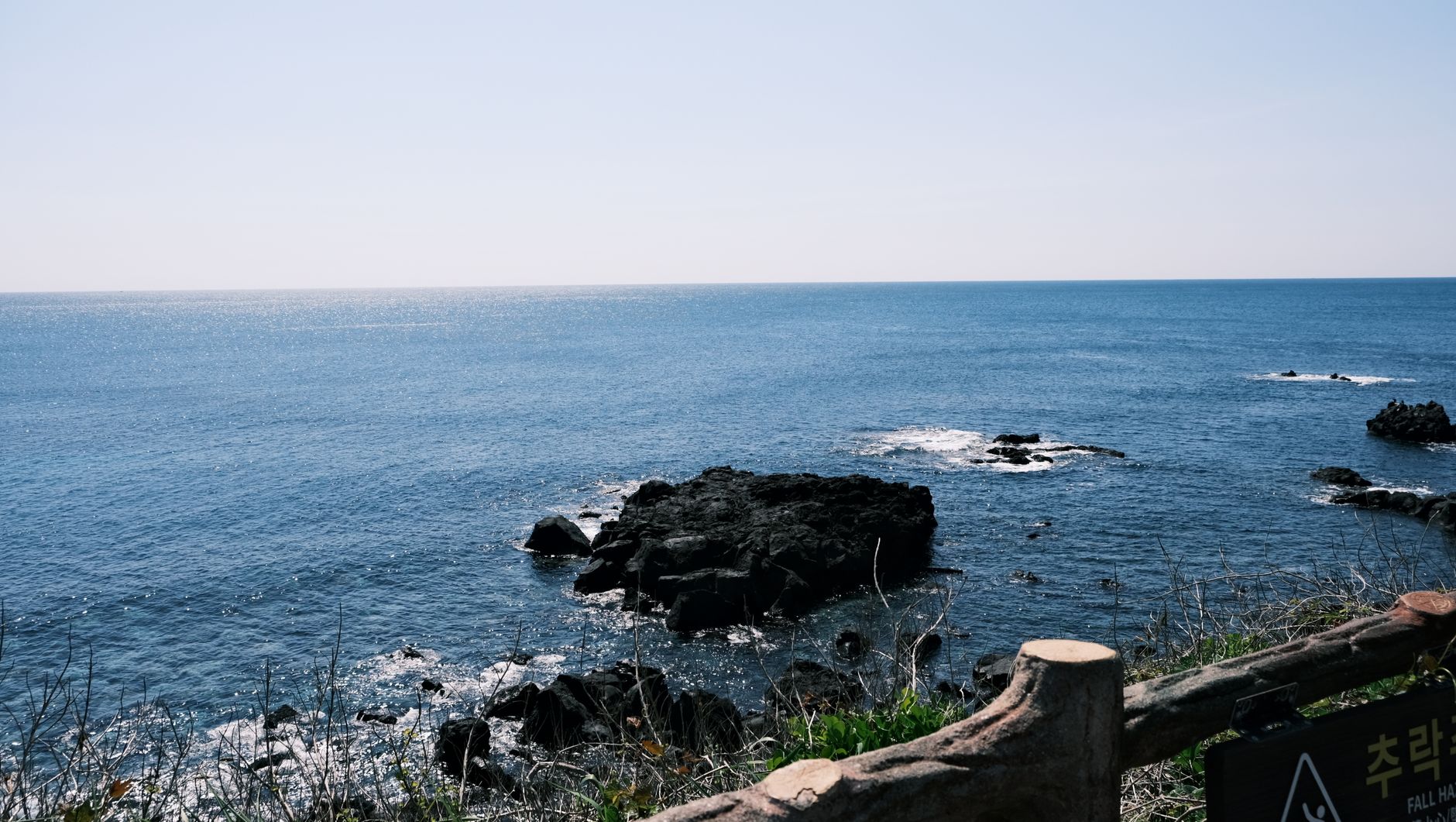
Jeju Island, South Korea's premier vacation destination, transforms into a tropical paradise during summer months. With pristine beaches, volcanic landscapes, fresh seafood, and vibrant K-culture experiences, Jeju offers the perfect blend of relaxation and adventure for international travelers. Whether you're seeking cultural immersion, outdoor activities, or simply a sun-soaked retreat, this comprehensive guide will help you plan an unforgettable summer getaway to Korea's most beloved island.
Best Time to Visit Jeju Island in Summer: Weather & Season Guide
Summer on Jeju Island (June through August) brings warm temperatures, long daylight hours, and the opportunity to experience authentic island living. Understanding the seasonal nuances will help you pack appropriately and plan activities that align with weather conditions. June typically marks the beginning of the rainy season (called "Jangma" in Korean), with frequent but brief showers that cool the island and enhance its lush greenery. By July and August, temperatures soar between 25-30°C (77-86°F), though humidity can make it feel warmer.
The ideal time window for Jeju summer travel falls in late June or early September, when you'll avoid the peak monsoon season while still enjoying warm ocean temperatures perfect for swimming. Late summer brings occasional typhoons, so checking weather forecasts before booking is essential. Despite these weather considerations, summer remains the most popular season because ocean conditions are optimal for water sports, beach festivals occur regularly, and local restaurants serve seasonal specialties like fresh abalone and sea urchin.
Summer is also when Jeju's natural attractions are most accessible. Hiking Hallasan Mountain is popular during these months, though early morning starts are recommended to avoid afternoon heat. The island's numerous waterfalls—Jeongbang Waterfall, Cheonjiyeon Waterfall—flow with greater volume due to increased rainfall, creating more dramatic photo opportunities. Tourist infrastructure runs at full capacity, with extended hours at attractions, more frequent ferry and flight schedules, and numerous cultural festivals celebrating local traditions and K-culture.

Must-Visit Beaches & Water Activities on Jeju Island
Jeju Island boasts over 50 beaches, each offering unique characteristics and experiences. Hyeopjae Beach, located on the island's west side, is renowned for its powder-soft white sand and crystal-clear turquoise waters—often ranked among Korea's most beautiful beaches. The relatively calm waters make it ideal for families, while the nearby beach bars and water sports rental facilities cater to adventure seekers. During summer, the beach becomes vibrant with colorful umbrellas, beach volleyball games, and the aroma of grilled seafood from beachside restaurants.
Gimnyeong Beach attracts a younger demographic, featuring modern beach clubs, water sports equipment rentals including paddleboards and jet skis, and a lively evening atmosphere. For a more serene experience, Gujwa Beach offers pristine conditions with fewer crowds, making it perfect for sunrise photography or contemplative walks along the shoreline. Yongmeori Beach combines beach and coastal cliff scenery, allowing visitors to explore unique geological formations while enjoying beach activities. The volcanic landscape creates dramatic backdrops for memorable photographs and offers natural tide pools for marine life exploration.
Water activities extend beyond traditional beach lounging. Jeju offers world-class surfing conditions, particularly at beaches like Gujwa and Hanwoo Beach, where consistent swells attract international surfers. Snorkeling is phenomenal for observing Korea's marine biodiversity—colorful fish, sea urchins, and seasonal species. The Haenyeo (female divers) experience is uniquely Jeju; visitors can observe these traditional free-diving fisherwomen in action at Gujwa Beach or Seongeup Folk Village, witnessing a centuries-old cultural practice that qualifies as living intangible cultural heritage. Several beaches offer guided tours and equipment rental for visitors interested in water sports beyond swimming.

Iconic Jeju Attractions: Hallasan, Waterfalls & Volcanic Landscapes
Hallasan Mountain, Jeju's crowning geographical feature, rises 1,950 meters and represents Korea's highest peak. Hiking Hallasan during summer offers spectacular vistas of the island and surrounding ocean, though the trail demands proper preparation. The most popular route, Gwanumsa Trail, takes approximately 5-6 hours round trip and rewards hikers with a crater lake at the summit and breathtaking panoramic views. For less experienced hikers, the Seongpanak Trail offers a shorter alternative with equally impressive scenery. Starting hikes at dawn (around 5 AM) allows you to reach the summit before afternoon clouds roll in, ensuring optimal visibility and photos.
Jeju's waterfalls create stunning natural attractions that intensify during summer's increased rainfall. Jeongbang Waterfall is Korea's only waterfall that flows directly onto a beach, creating a unique juxtaposition of falling water and ocean waves—especially dramatic during summer when water volume peaks. Cheonjiyeon Waterfall, nestled in lush forest surroundings, offers a mystical experience with its 22-meter cascade and emerald pool below. Local mythology suggests the waterfall was created by a goddess, adding cultural richness to the natural wonder. Visitors can enjoy swimming in designated areas and exploring surrounding hiking trails that wind through native flora.
The volcanic landscape that shaped Jeju offers geological touring opportunities. Seongup Folk Village preserves traditional Jeju culture, featuring stone houses with distinctive thatched roofs and local artisans demonstrating traditional crafts. The volcanic caves—Manjanggul Cave and Bengdwigul Cave—maintain cool temperatures year-round, providing respite from summer heat while showcasing unique geological formations. For a comprehensive understanding of Jeju's natural history, visit the Jeju Haenyeo Museum or the Loveland sculpture park, which blends art, culture, and the island's mystical atmosphere. These attractions allow you to appreciate both K-culture and natural heritage that defines Jeju's identity.
Jeju Summer Food Guide: Fresh Seafood & Local Delicacies
Jeju Island's culinary scene celebrates fresh seafood and local ingredients unique to the island. The Olle Markets (Jeju traditional markets) burst with seasonal produce and fresh catches during summer. Jeonbokjuk (abalone porridge) becomes a regional specialty, showcasing the premium abalone harvested from Jeju's pristine waters. During summer months, live sea urchin (uni) commands premium prices but delivers an unparalleled umami experience—purchase from certified vendors at markets like Dongmun Market for authentic quality and safety assurance.
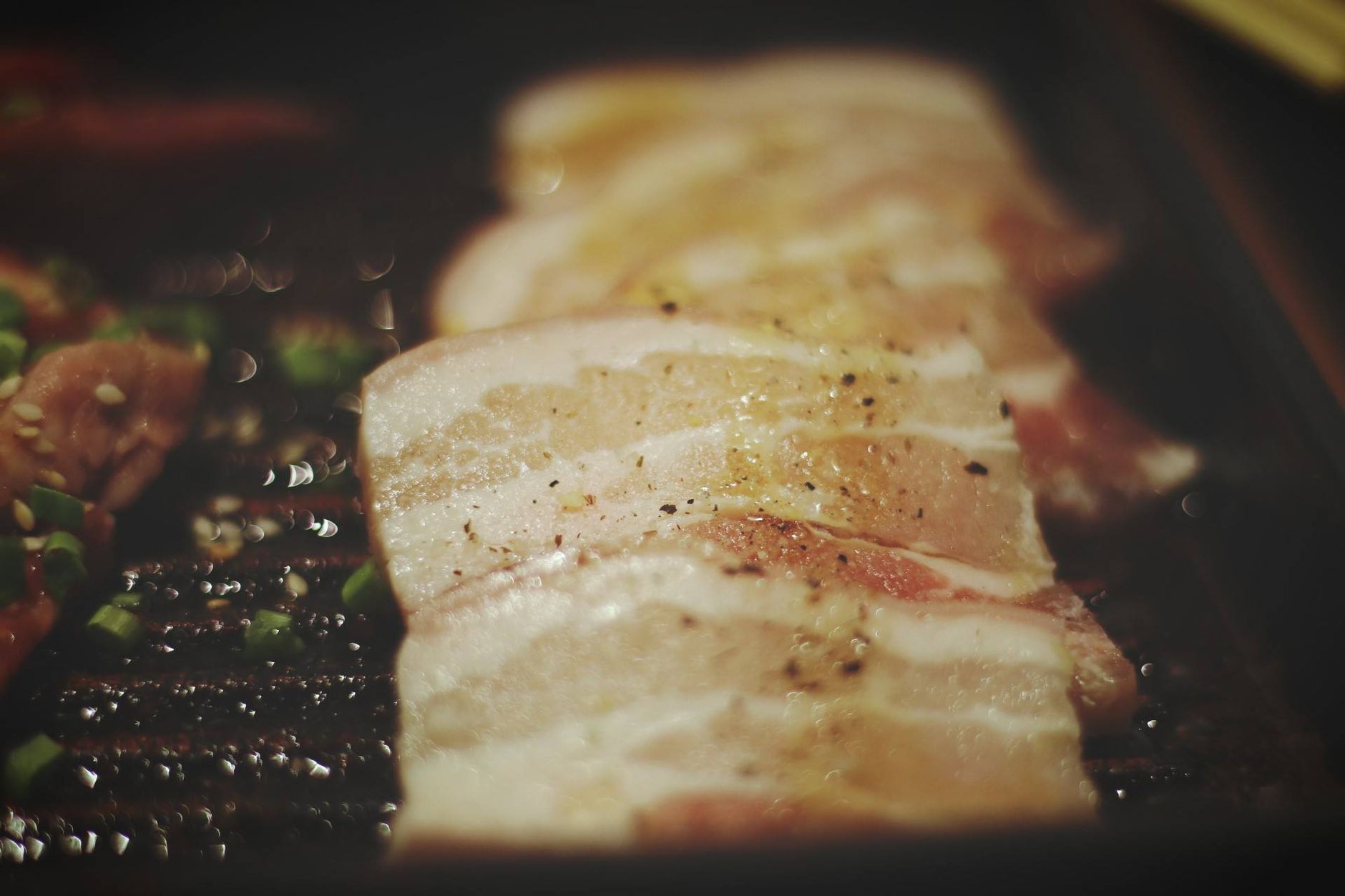
Jeju's black pork (Jeju doenjang) represents another culinary treasure, best enjoyed grilled at dedicated restaurants specializing in this premium heritage breed. The meat's distinctive marbling and superior flavor distinguish it from standard Korean pork. Grilled black pork paired with ssamjang (Korean dipping sauce) and fresh lettuce creates a quintessential Jeju dining experience. During summer festivals, local vendors serve grilled black pork skewers at street food stalls, allowing budget-conscious travelers to sample this delicacy without expensive restaurant visits.
For accommodations that combine hospitality with culinary excellence, consider booking through Rich Honey Tours, which offers curated Jeju packages including farm-to-table dining experiences. Meheunji (sea mustard) soup represents a summer staple that provides nutritional benefits while showcasing Jeju's maritime heritage. Gogi guksu (meat noodles) and local soba noodles offer light yet satisfying meals perfect for hot summer days. Don't miss street food stalls serving bingsu (shaved ice dessert) topped with fresh fruit, condensed milk, and red beans—the perfect cooling treat during peak heat.
| Jeju Summer Specialty | Season Peak | Best Place to Try | Price Range (USD) |
|---|---|---|---|
| Live Sea Urchin (Uni) | June-August | Dongmun Market, Seafood Restaurants | $15-30 per portion |
| Jeju Black Pork | Year-round, peak summer | Specialized BBQ Restaurants | $20-40 per serving |
| Fresh Abalone Porridge | June-September | Casual Restaurants, Street Vendors | $8-15 per bowl |
| Meheunji (Sea Mustard) Soup | Summer specialty | Local Eateries, Markets | $5-8 per bowl |
| Bingsu (Shaved Ice Dessert) | Summer peak | Cafes, Street Stalls, Markets | $4-8 per serving |
Practical Travel Tips: Transportation, K-ETA & Getting Around Jeju
International visitors require proper documentation before traveling to Jeju Island. Citizens of visa-exempt countries may still need to register through the K-ETA Official Portal, Korea's electronic travel authorization system. Obtaining K-ETA takes approximately 24 hours online and costs around $10 USD. Processing this requirement before your trip prevents arrival delays and streamlines airport procedures. Most nationalities qualify for visa-free entry, but K-ETA registration strengthens documentation and demonstrates compliance with Korean immigration requirements.
Reaching Jeju Island involves flying into Jeju International Airport or taking a ferry from Busan. The airport handles domestic flights from Seoul Incheon, Gimpo, and Busan, as well as international flights from major Asian cities. Upon arrival, Naver Map serves as Korea's indispensable navigation application, offering real-time directions, bus schedules, and restaurant recommendations with English language support. Download the application before arrival to ensure offline access to maps and essential travel information.
Ground transportation on Jeju Island includes rental cars, buses, and taxi services. Renting a car provides maximum flexibility for exploring remote beaches and rural attractions, though Korean traffic rules and unfamiliar road signs present challenges. Tourist buses offer guided tours with predetermined itineraries, suitable for travelers preferring organized experiences. Kakao Taxi enables convenient smartphone-based taxi hailing, with drivers typically accepting card payments. For comprehensive day trips, consider booking tours through established operators that provide transportation, meals, and guided cultural experiences.
K-Culture Experiences: Museums, Festivals & Traditional Activities
Jeju Island preserves unique aspects of K-culture distinct from mainland Korean traditions. The Jeju Haenyeo Museum celebrates the island's famous female free divers, an UNESCO-recognized intangible cultural heritage practice spanning centuries. Exhibitions showcase traditional diving equipment, historical photographs, and multimedia presentations explaining the haenyeo's cultural significance. Summer is peak haenyeo season, and some tourist operators arrange live diving demonstrations where visitors observe these remarkable women harvesting sea urchins and abalone using only traditional equipment and breath-holding techniques—an experience that connects you to authentic Korean cultural heritage.
Seongeup Folk Village preserves traditional Jeju architecture, lifestyle, and customs through reconstructed historical buildings and artisan demonstrations. Stone granaries called "kkotssi," distinctive stone walls, and traditional thatched-roof houses (called "choga") showcase vernacular architecture adapted to Jeju's unique climate. During summer, the village hosts cultural performances and traditional craft workshops where visitors participate in making traditional baskets, pottery, or local foods. This hands-on K-culture engagement provides deeper understanding of rural Korean life and island-specific traditions rarely encountered in urban areas.
Summer festivals celebrate Jeju's unique cultural identity. The Jeju Fire Festival (July) combines traditional fire rituals with contemporary performances, creating a spectacular nighttime experience that draws international audiences. The Jeju Tangerine Festival and various seafood festivals showcase local agricultural products and culinary traditions. These festivals offer authentic opportunities to interact with local residents, sample traditional foods, and witness celebrations that reflect K-culture values of community, gratitude, and seasonal awareness. Attending festivals during your summer visit enriches cultural understanding and creates memorable interactions with Korean hospitality culture.
Accommodation Options: Budget to Luxury Summer Stays
Jeju Island offers diverse accommodation options catering to every budget and preference. Beach resorts provide luxury experiences with oceanfront rooms, spa facilities, fine dining restaurants, and activity concierge services. Mid-range hotels and guesthouses ("minbaks") offer comfortable amenities at moderate prices, often featuring kitchenettes and family-friendly layouts. Budget travelers find numerous hostels and dormitory options near beach areas, with social atmospheres ideal for meeting fellow travelers and sharing experiences. Summer demand peaks July and August, making early booking essential—ideally 4-6 weeks in advance for optimal availability and rates.
Vacation rentals through platforms like Airbnb and local Korean property management companies provide another option, particularly for groups or families seeking extended stays. Many offer unique properties including seaside cottages, modern villas, and traditional hanok houses that provide K-culture immersion. Location selection significantly impacts your experience—beachfront accommodations offer sunset views and water access but command premium prices and attract crowds; interior island locations provide peaceful settings near hiking trails and cultural attractions with lower costs. Consider your priorities (beach access vs. cultural exploration) when selecting accommodation location within Jeju's diverse regions.
Accommodation amenities and policies vary significantly. Many summer properties offer air conditioning and basic utilities, while premium resorts provide additional services like airport transportation, restaurant reservations, and activity booking assistance. Some accommodations provide welcome amenities including local snacks, beverages, or complimentary activities. Verify cancellation policies before booking, as summer weather unpredictability (potential typhoons) may require flexibility. Reading recent guest reviews on international booking platforms provides valuable insights into actual conditions, cleanliness standards, and manager responsiveness—critical factors in ensuring satisfactory summer experiences.
Safety, Budgeting & Essential Packing Tips for Jeju Summer
Jeju Island maintains high safety standards typical of South Korea, with excellent healthcare facilities, reliable emergency services, and low crime rates affecting tourists. Petty theft remains possible in crowded tourist areas, so maintain basic precautions: avoid displaying expensive items, secure valuables in accommodations, and keep copies of important documents separate from originals. Ocean safety requires attention during summer—swimmers should respect warning flags, never swim alone, and follow lifeguard instructions. Sudden typhoons during late summer demand flexibility in travel plans; maintaining travel insurance covering weather-related cancellations provides financial protection.
Budget planning for Jeju Island varies based on travel style and accommodation choices. Budget travelers spending $40-50 daily cover basic accommodation, street food meals, and free/low-cost attractions. Mid-range travelers allocating $100-150 daily enjoy comfortable hotels, restaurant meals, paid attractions, and organized activities. Luxury travelers spending $250+ daily access premium resorts, fine dining, private guides, and exclusive experiences. Summer peak season increases all costs 20-40% compared to shoulder seasons. Payment methods include credit cards (widely accepted at merchants), debit cards, and cash Korean Won (obtained at ATMs with international cards or airport currency exchange). Mobile payment applications (Naver Pay, Kakao Pay) increasingly substitute for cash at restaurants and shops.
Packing essentials for Jeju summer include lightweight, breathable clothing suitable for 25-30°C temperatures, swimwear (multiple options for daily beach visits), sunscreen (SPF 50+ recommended), and sun-protective clothing (UPV-rated swim shirts). Pack a lightweight rain jacket despite summer season, as brief showers occur frequently in June and unpredictable weather can emerge rapidly. Comfortable walking shoes and hiking boots (if climbing Hallasan) ensure foot comfort during explorations. Portable chargers for smartphones are essential, as constant navigation, photography, and communication consume battery rapidly. A power adapter compatible with Korean electrical outlets (220V, Type C/F plugs) enables device charging. Prescription medications require sufficient quantities; Korean pharmacies may not stock foreign brands, making personal supply essential.
Frequently Asked Questions About Jeju Island Summer Vacations
Do I need a visa to visit Jeju Island?
Most international tourists from visa-exempt countries can enter Jeju Island visa-free for stays up to 90 days. However, registering through the K-ETA Official Portal is recommended, as this electronic travel authorization system has become standard for many nationalities. The K-ETA process takes approximately 24 hours and costs around $10 USD. Citizens of certain countries may require standard visas; check with the nearest South Korean embassy or consulate for your specific nationality before booking travel.
What is the best time to visit Jeju Island during summer?
Late June and early September offer optimal conditions, combining pleasant weather with fewer crowds than peak July-August. Mid-June through mid-July experiences the rainy season (Jangma), bringing frequent showers but lush green landscapes. July-August offers warmest temperatures and longest daylight hours, perfect for beach activities, though this period attracts maximum tourism. Late August-early September risks typhoons but provides acceptable weather conditions outside typhoon events. Consider your priorities: avoid peak crowds (choose June or September), prefer warmest swimming conditions (choose July-August), or balance both factors (choose late June or early September).
How do I get around Jeju Island during my vacation?
Multiple transportation options exist: rental cars provide flexibility for independent exploration; public buses offer economical inter-city travel (though English language support is limited); Kakao Taxi provides convenient smartphone-based hailing; and organized tours offer guided experiences with transportation included. Download Naver Map for navigation support in English. Renting vehicles requires an international driving permit and familiarity with Korean traffic rules. Many visitors find combining transportation methods optimal—renting cars for remote areas, using taxis for central locations, and booking tours for major attractions.
What should I pack for a Jeju Island summer vacation?
Essential items include lightweight, breathable clothing suitable for 25-30°C temperatures; multiple swimwear pieces (daily beach visits encourage multiple changes); sunscreen (SPF 50+); sun-protective clothing (UPV-rated swim shirts); comfortable walking shoes and hiking boots; lightweight rain jacket; portable phone chargers; and a Korean-compatible power adapter (220V, Type C/F outlets). Pack prescription medications in sufficient quantities, as Korean pharmacies may not stock foreign brands. Bring copies of important documents (passport, travel insurance) stored separately from originals. Casual, modest clothing is appropriate for cultural visits, though beachwear is acceptable in beach areas.
What are Jeju Island's unique K-culture experiences?
Jeju offers distinctive cultural experiences including observing Haenyeo (female free divers)—an UNESCO-recognized intangible heritage practice where women dive for sea urchins and abalone using traditional methods; visiting Seongeup Folk Village to experience traditional Jeju architecture and lifestyle; exploring museums dedicated to island history and culture; attending summer festivals like the Jeju Fire Festival celebrating local traditions; participating in cultural workshops teaching traditional crafts; and sampling Jeju-specific cuisine unavailable elsewhere in Korea. These experiences provide authentic engagement with K-culture values emphasizing community, traditional knowledge, and seasonal awareness that distinguish Jeju from mainstream Korean culture.